How to Choose the Best Indoor LED Lighting for Your Space?

Time:2026-07-23 Author:Aria
0%

Choosing the right indoor LED lighting can transform your space significantly. It impacts not only aesthetics but also functionality. Understanding how to choose indoor LED lighting is crucial for creating the desired atmosphere. Many rooms require different lighting types. For example, a cozy living room needs warm light, while a kitchen benefits from bright illumination.

Lighting affects mood and productivity. Selecting the right brightness and color temperature helps set the right tone. LED lights are energy-efficient and long-lasting, but their variety can be overwhelming. You may find yourself questioning which brand or type suits your needs best. It’s not just about looks; it’s also about performance.

Consider the space's purpose and your personal style. Some people may feel lost amidst numerous options available. It's important to reflect on your requirements. Perhaps you need adjustable lighting or certain features like dimming. Understanding how to choose indoor LED lighting can lead to a more enjoyable environment. Be open to experimenting, and don't be afraid to make mistakes along the way.
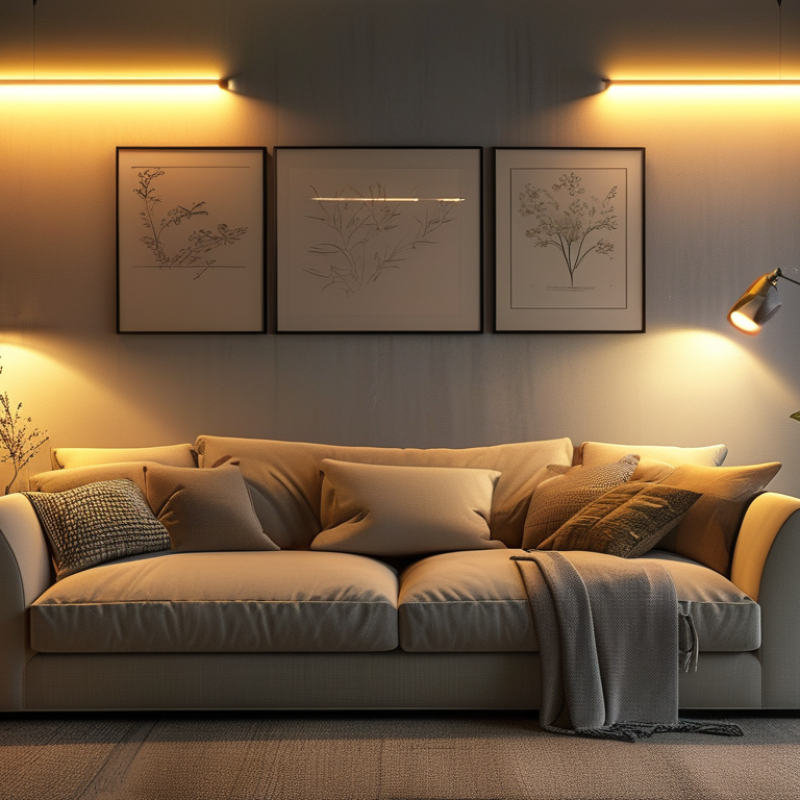
How to Choose the Best Indoor LED Lighting for Your Space?

Understanding Different Types of Indoor LED Lighting Options Available

When choosing indoor LED lighting, understanding the different options is crucial. LED bulbs come in various styles. Recessed lighting offers a clean, modern look. It’s great for low ceilings and space efficiency. On the other hand, pendant lights can add character and charm to a room. They draw attention, especially in dining areas.

Wall sconces are another option. They provide ambient light and can highlight your favorite artwork. Floor lamps are versatile. They can fit in any corner and are easily movable. Some people overlook the importance of color temperature. This affects the mood of a room. Warm light feels cozy, while cool light offers a more energetic vibe.

Each type has its unique benefits. However, it is easy to get overwhelmed by choices. Not all options suit every space. Consider your needs carefully. Measure your room dimensions to avoid poor lighting placement. The right lighting can transform your room, but the wrong choice can make it feel cramped or harsh. Pay attention to these details for a balanced atmosphere.

How to Choose the Best Indoor LED Lighting for Your Space?

Lighting Type Color Temperature (K) Lumens Output Suitable For Energy Efficiency
Soft White LED 2700K - 3000K 800 - 1600 lumens Living Rooms, Bedrooms High
Daylight LED 5000K - 6500K 800 - 1200 lumens Workspaces, Kitchens High
Cool White LED 3500K - 4100K 800 - 2000 lumens Bathrooms, Closets High
LED Recessed Lighting Varies 600 - 1500 lumens Ceilings, Ambient Lighting High
LED Strip Lights Varies 100 - 800 lumens/m Decorative, Under Cabinets High

Evaluating Lumens: How Much Brightness Do You Need for Your Space?

When choosing indoor LED lighting, evaluating lumens is crucial. Lumens measure the brightness of light. Understanding how much light your space needs can greatly enhance its functionality and aesthetics. A living room might require around 1,500-3,000 lumens, while a kitchen may need around 5,000.

Tips: Consider the size of your room when selecting lumens. Larger spaces often feel dark with too few lumens. Layering different light sources can help balance brightness where needed. Don’t overlook natural light either. It can impact how artificial lighting is perceived.

Assess the activities in each area. For reading, aim for higher lumens, around 400-800. It’s essential to avoid harsh lighting that causes glare. If your space feels too bright or too dim, you might need a different approach to your lighting design. Experimenting is key. Adjust your choices based on how the light feels at different times of the day.

Color Temperature: Choosing the Right Light Tone for Your Environment

Color temperature plays a crucial role in setting the mood of your indoor space. Measured in Kelvin (K), it helps to classify the light's tone. Warmer colors, around 2700K to 3000K, create a cozy and inviting atmosphere. These tones are ideal for living rooms or bedrooms. When you walk into such a space, the warmth welcomes you, making it feel more comfortable.

Cooler color temperatures, ranging from 4000K to 5000K, are energizing and refreshing. These lights mimic daylight and are perfect for workspaces or kitchens. They enhance focus and productivity. Imagine a bright kitchen filled with a natural light-like glow. However, too much cool light can feel harsh. It's important to balance it with other lighting elements.

Consider the purpose of each room when selecting your lighting. Experimenting with different temperatures can lead to surprising revelations. You may find that what felt appropriate one day might not suit another. Flexibility and mindfulness in choosing your light tone can lead to a more harmonious environment. Remember, lighting affects mood, energy, and even creativity.

Energy Efficiency Ratings: Understanding LED Power Consumption and Savings

When selecting indoor LED lighting, understanding energy efficiency ratings is crucial. These ratings indicate how much power a bulb consumes and how much energy it can save. An LED bulb typically uses about 75% less energy than traditional incandescent bulbs. This significant reduction in power consumption translates to lower electricity bills and a smaller carbon footprint.

Many consumers overlook the importance of wattage. It’s easy to assume that higher wattage equals more light. However, with LEDs, you get more lumens per watt. For example, a 10-watt LED can produce the same light as a 60-watt incandescent bulb. This efficiency is a game changer for both home and office spaces.

Despite their efficiency, some LEDs may perform poorly in specific settings. Color temperature, for example, can affect mood and productivity. Choosing the right warmth can make a noticeable difference. Test different options to see what fits best. Overall, thoughtful consideration of energy ratings and performance will lead to well-lit, efficient spaces.

Placement and Angles: Maximizing Light Distribution in Your Interior Spaces

Placement and angle are crucial for maximizing light distribution in any indoor space. Optimal lighting can enhance aesthetics and functionality. According to the Illuminating Engineering Society, effective placement of LED lights can increase overall brightness perception by up to 30%. Additionally, positioning lights at various angles allows for shadow control, which is vital in spaces like art studios or offices.

Many users overlook the importance of these factors. For instance, recessed lighting can create deep shadows if not angled correctly. Conversely, using wall-mounted fixtures can reflect light off surfaces, enhancing ambiance. A study from the U.S. Department of Energy suggests that layering different types of lighting—ambient, task, and accent—can improve perception of space and comfort.

Understanding light distribution starts with knowing your room's layout and purpose. Experimenting with different placements can lead to unexpected results. A poorly lit corner might need a strategically placed lamp instead of a ceiling fixture. This iterative process ensures that the chosen lighting supports both utility and style. Finding balance requires both knowledge and creativity.

FAQS

: What is color temperature, and why is it important?

: Color temperature is measured in Kelvin (K) and affects mood. Warmer colors create cozy spaces, while cooler tones energize environments.

What color temperatures are best for various rooms?

Warmer tones (2700K-3000K) suit living rooms and bedrooms. Cooler tones (4000K-5000K) work well in kitchens and workspaces.

How do energy efficiency ratings affect lighting choices?

Energy efficiency ratings indicate power consumption. LED bulbs consume 75% less energy than incandescent bulbs, saving you money.

Does wattage impact the brightness of LED bulbs?

Higher wattage doesn't always mean more light. LEDs offer more lumens per watt, making them more efficient.

Why is light placement important?

Proper lighting placement can increase brightness perception by up to 30%. It helps enhance both aesthetics and functionality.

How can I control shadows effectively in my space?

Position lights at different angles to control shadows. Use wall fixtures to reflect light and improve ambiance.

What role does experimentation play in lighting design?

Experimenting with light placement can yield surprising results. A poorly lit area might need a lamp instead of overhead lighting.

Should I consider different types of lighting?

Yes, combining ambient, task, and accent lighting can enhance comfort and space perception. Balance is key.

Can lighting affect creativity?

Absolutely. The right lighting can inspire creativity. Be mindful of how different color temperatures influence your mood.

How do I know if my lighting is effective?

Take time to evaluate your lighting regularly. Adjust based on how your space feels and functions. Improvement may be needed.

Conclusion

When considering how to choose indoor LED lighting, it's essential to understand the various types available, including recessed, track, and pendant lights. Evaluating lumens is crucial to determine the right brightness for your space, ensuring comfort and functionality. Additionally, selecting the appropriate color temperature will influence the ambiance; warmer tones may be suitable for living areas, while cooler tones can enhance productivity in workspaces.

Energy efficiency is another key factor, as LED lights offer significant savings on power consumption compared to traditional lighting. Understanding energy efficiency ratings can help you make cost-effective choices. Lastly, proper placement and angles are vital to maximize light distribution, creating a well-lit and inviting environment. By considering these elements, you can effectively enhance your indoor spaces with suitable LED lighting solutions.

Aria

Aria

Aria is a dedicated marketing professional with a deep passion for innovative strategies and a keen understanding of our company's product offerings. With a wealth of experience in the industry, Aria excels at crafting engaging content that highlights the unique features and benefits of our......