When considering how to choose lighting for parking garages, safety and visibility are paramount. Proper lighting can deter crime and enhance the overall user experience. Many garage owners underestimate the importance of well-designed lighting. It can significantly impact how drivers feel when navigating these spaces.
Choosing the right type of lighting involves understanding various options available. LED lights are energy-efficient and provide bright illumination. However, installation costs may be higher than traditional lighting. It's essential to weigh these factors against long-term savings. Reflective surfaces can further enhance the effectiveness of lighting, but not all garages utilize this approach.
Additionally, consider the layout and height of the parking area. Poorly lit corners can become hotspots for accidents or crime. Frequent surveys of lighting performance can help identify areas that need improvement. Remember, the goal is to create a safe environment, so regular assessments are crucial. Each decision made in this process can ultimately affect user safety and satisfaction.
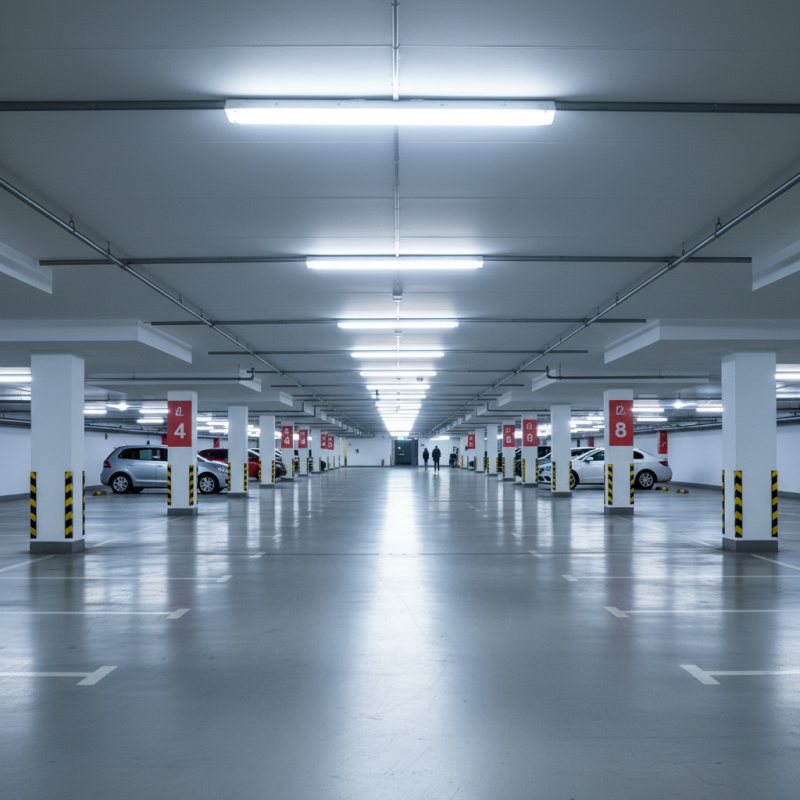
Understanding Parking Garage Lighting Requirements and Standards
When selecting lighting for parking garages, understanding requirements and standards is essential. Illuminance levels should meet safety and visibility needs. The standard for parking garages typically requires at least 2-5 foot-candles on the parking surface. This helps drivers navigate safely and reduces accidents. Uniform lighting distribution minimizes shadows and dark spots, which can be areas of concern.
Another crucial aspect is energy efficiency. Choosing LED fixtures can significantly reduce operational costs. They last longer and consume less energy than traditional options. However, it's important to balance initial costs with long-term savings. Installation and maintenance plans should also be considered. Neglecting these can lead to headaches and higher expenses later on.
Accessibility is also important. Consider how lighting affects various user groups, including pedestrians and individuals with disabilities. Adequate lighting near entrances and exits enhances safety. Reflective surfaces can improve overall illumination but may complicate the situation if poorly designed. The goal is to create a welcoming and secure environment that considers every user's needs.
Evaluating Different Types of Lighting: LED, Fluorescent, and HPS
Selecting appropriate lighting for parking garages is crucial for safety and efficiency. Different lighting technologies present unique advantages and challenges.
LED lights have gained popularity due to their energy efficiency and longevity. According to the U.S. Department of Energy, LED lights consume 75% less energy than traditional incandescent options. This not only reduces operational costs but also lowers the carbon footprint.
Fluorescent lights offer good brightness but have a shorter lifespan than LEDs. They can be effective in low-traffic areas, providing decent illumination for basic needs. However, their performance can diminish over time, which raises maintenance concerns. Reports indicate that with average usage, fluorescent bulbs may need replacement every 12 months.
High-Pressure Sodium (HPS) lights produce a yellowish glow and are often used in outdoor settings. Their high luminosity can deter crime but is not ideal for distinguishing colors. This limitation can confuse drivers and pedestrians. Studies show that while HPS lights are cheaper upfront, they can lead to higher energy costs in the long run due to their inefficiency. Reflecting on these aspects can help decision-makers weigh their options effectively.
Assessing Light Levels: Ensuring Safety and Visibility in Parking Areas
In parking garages, proper lighting is essential for safety and visibility. According to the Illuminating Engineering Society (IES), a minimum illumination level of 2 foot-candles is recommended for parking areas. This standard guides facilities to ensure that drivers and pedestrians can see clearly, reducing the risk of accidents.
Adequate lighting helps deter crime. Studies show that well-lit areas experience up to 40% fewer criminal incidents. Shadows can create feelings of unease and unsafe environments. A well-designed lighting plan can eliminate dark spots. This enhances not just visual clarity but also a sense of security.
Here are some tips for choosing effective lighting:
- Use LED lights for their longevity and efficiency.
- Consider motion sensors to save energy during low traffic times.
- Incorporate ambient lighting in high-traffic areas.
While these methods can greatly improve visibility, challenges remain. Not all fixtures provide even illumination. Over time, dust and grime can reduce light output. Regular maintenance checks are crucial to ensure consistent light levels. Addressing these factors can significantly enhance safety and visibility in parking garages.
Lighting Levels Assessment in Parking Garages
Energy Efficiency and Cost Considerations in Garage Lighting Design
When designing lighting for parking garages, energy efficiency and cost are crucial. Effective lighting not only enhances safety but also saves money. Energy-efficient options like LED fixtures consume less power and have a longer lifespan. This reduces frequent replacements and maintenance costs.
Tips for selecting the right lighting include assessing the garage layout. Consider incorporating natural light sources wherever possible. Skylights or light tubes can supplement artificial light, decreasing energy use. Also, choose fixtures with motion sensors that adjust brightness based on activity. These features can lead to significant savings.
Think about control systems. Installing advanced lighting controls allows for flexibility and customization. This can optimize both lighting levels and energy consumption. It’s essential to review and adjust settings periodically to ensure the system remains efficient. Remember, the initial cost may seem high, but the long-term savings often justify the investment.
Maintenance and Durability: Best Practices for Long-Term Lighting Solutions
Selecting the right lighting for parking garages requires careful consideration of maintenance and durability. Proper lighting not only enhances safety but also minimizes long-term costs. According to the Illuminating Engineering Society (IES), well-maintained lighting can reduce energy consumption by up to 30%. This is significant for large facilities where energy costs add up quickly.
LED fixtures are often recommended due to their longevity and lower maintenance needs. They can last up to 50,000 hours, significantly decreasing the frequency of replacements. Regular inspections are critical. Dust and dirt can accumulate, diminishing brightness and efficiency. Ensure fixtures are clean, and check for any signs of wear periodically.
Tips: Implement a cleaning schedule every few months. Schedule maintenance during off-peak hours to minimize disruption. Consider motion sensors to reduce energy use during low-traffic periods. Choosing durable materials can also enhance longevity; opt for fixtures designed to withstand harsh conditions.
Durability matters. Even with high-quality products, factors like humidity and temperature fluctuations can impact performance. Regularly evaluate the lighting's effectiveness; if shadows or dark spots develop, it may signify a need for upgrades. Balancing initial investment with long-term benefits is essential for a successful lighting strategy.
FAQS
: The minimum illuminance level recommended is 2 foot-candles for safety and visibility.
Adequate lighting reduces accidents and deters crime by enhancing visibility and security.
LED lights are energy-efficient and last longer, reducing replacement and maintenance costs.
Lighting should accommodate pedestrians and individuals with disabilities, especially near entrances and exits.
Using skylights or light tubes can supplement artificial light and reduce energy usage.
Dust and grime can reduce light output over time, making regular maintenance essential.
Advanced controls allow for flexibility, optimizing lighting levels and energy consumption.
Uniform lighting minimizes shadows and dark spots, ensuring clear visibility and a safer environment.
Motion sensors adjust brightness based on activity, saving energy during low traffic times.
Initial costs may be high, but investing in efficient lighting leads to greater savings over time.
Conclusion
When considering how to choose lighting for parking garages, it is crucial to understand the specific lighting requirements and standards that ensure safety and visibility for users. Evaluating different types of lighting, such as LED, fluorescent, and high-pressure sodium (HPS) lights, is essential to determine which option best meets the needs of the garage environment.
Additionally, assessing the appropriate light levels is vital for maintaining visibility, thus enhancing security within the parking area. Energy efficiency and cost considerations should also play a significant role in the lighting design process, as these factors affect long-term operational expenses. Finally, focusing on maintenance and durability will help in implementing best practices for effective long-term lighting solutions, ensuring the parking garage remains well-lit and safe for all users over time.

 Velvet Light