How to Cut Electricity Costs with LED Lighting in 2026?

Time:2026-08-22 Author:Charlotte
0%

As energy prices continue to rise, understanding how to reduce electricity costs with LED lighting becomes crucial for both homeowners and businesses. The U.S. Department of Energy notes that LED lighting uses up to 75% less energy than traditional incandescent bulbs. This substantial reduction can translate into significant savings over time, especially as more households transition to these efficient lighting solutions.

However, the initial cost of LED bulbs can be a barrier. A report from the National Renewable Energy Laboratory indicates that while LED lights may cost more upfront, their longevity and energy efficiency make them a wise investment. On average, an LED bulb can last up to 25,000 hours, compared to just 1,000 hours for incandescent ones. This durability means fewer replacements and reduced waste.

Still, many consumers remain hesitant. It's essential to recognize that shifting to LED lighting is not just an environmental decision; it's a financial strategy. By understanding the real, long-term savings associated with LED technology, individuals can reshape their budgeting and significantly lower their electricity bills. Fostering awareness about these benefits is imperative for broader adoption in 2026 and beyond.
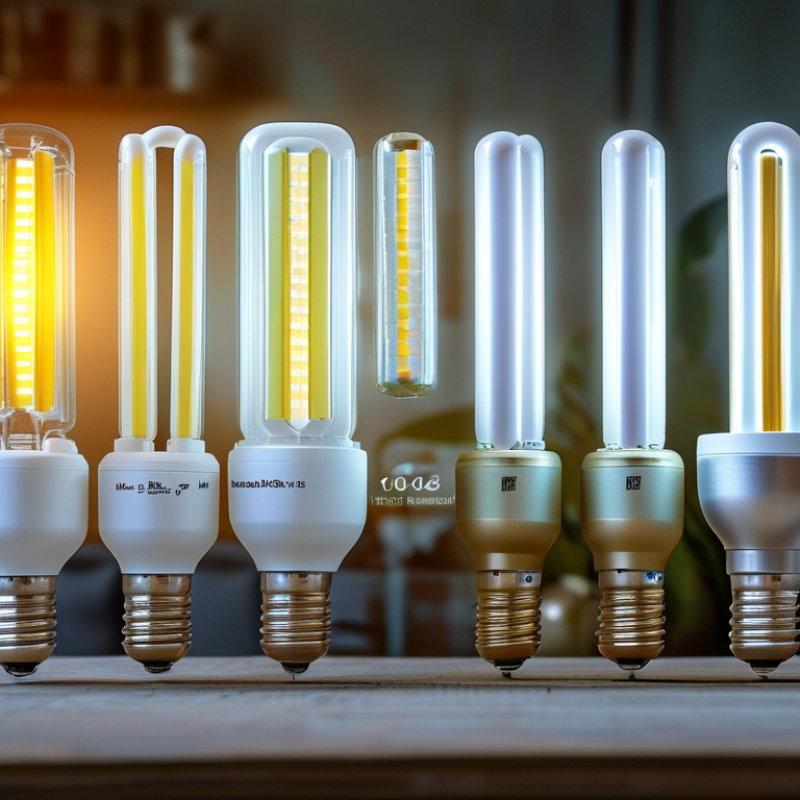
How to Cut Electricity Costs with LED Lighting in 2026?

Benefits of LED Lighting in Reducing Electricity Costs

As energy costs continue to rise, LED lighting stands out as a powerful solution for reducing electricity expenses in 2026. LED technology is not only energy-efficient but also offers significant long-term savings. According to the U.S. Department of Energy, LED lighting can be up to 80% more efficient than traditional incandescent bulbs. By switching to LEDs, households can save approximately $225 annually on their electricity bills. This transformation not only benefits budgets but also contributes to a greener environment.

The lifespan of LED lights adds to their cost-effectiveness. While traditional bulbs may last around 1,000 hours, LEDs can operate for over 25,000 hours. This longevity reduces the frequency of replacements and labor costs associated with changing light bulbs. However, there are initial costs involved in purchasing these bulbs. Some consumers may hesitate to invest upfront, despite the long-term savings. Understanding the total cost of ownership can bridge this gap and promote more widespread adoption.

Furthermore, LED lights emit less heat, enhancing energy efficiency in cooling costs. A report from the Alliance to Save Energy emphasizes that shifting to LED can decrease air conditioning demands by up to 20%. It’s essential to weigh these compelling advantages against the initial expenses. Making informed choices could change how we manage our electricity usage in the future.

Understanding LED Technology and Its Energy Efficiency

Understanding LED technology is essential for reducing electricity costs. LEDs have advanced significantly in recent years. They consume up to 80% less energy than traditional bulbs. This efficiency leads to lower electricity bills. LEDs convert a higher percentage of energy into light rather than heat. This means more savings over time.

Many people still use outdated lighting. This can lead to wasted energy and higher costs. Switching to LED lights is a straightforward solution. They have a longer lifespan, too. Properly installed LEDs can last over 25,000 hours. This reduces the frequency of replacements and associated costs.

Consider these tips to maximize benefits. Replace high-use fixtures first. Focus on areas like kitchens and living rooms. Opt for dimmable LEDs to adjust brightness based on needs. This can reduce energy consumption further. Lastly, choose the right color temperature. Warmer lights can create cozy environments while saving energy. Making these small changes can lead to significant savings.

Comparing Traditional Lighting with LED Solutions

When it comes to lighting, the shift from traditional bulbs to LED solutions is significant. Traditional incandescent bulbs consume a lot of energy, generating excess heat and costing more in the long run. In contrast, LED lights use up to 80% less energy. This difference translates into lower electricity bills each month.

Energy efficiency isn’t the only advantage. LED lights last much longer—often up to 25 times longer than their incandescent counterparts. However, the initial cost can deter some users. It's important to weigh the upfront investment against potential savings over time.

Transitioning to LED technology provides a chance to rethink how we illuminate our spaces. While some hesitate due to installation logistics or change, embracing this shift can lead to significant savings. Each household needs to evaluate their specific needs. The long-term benefits of LEDs deserve careful consideration.

Practical Tips for Transitioning to LED Lighting

Transitioning to LED lighting can significantly reduce electricity costs. LEDs consume up to 75% less energy than traditional incandescent bulbs. According to the U.S. Department of Energy, switching to LED lighting can save an average household $225 per year. This is not just about energy savings; it’s also about longevity. LEDs last 15 to 25 times longer, providing not only better performance but also reducing replacement costs.

When making the switch, consider replacing high-use bulbs first. Focus on areas like kitchens and living rooms. Look for LED bulbs that match the brightness of your existing lights. This may take time to get used to, especially if you prefer a specific light quality. You might find that some LEDs emit a cooler tone compared to traditional bulbs. A gradual transition can help ease this adjustment.

Evaluate your current lighting setup. Dimming capabilities can enhance comfort and save even more energy. Not all LEDs are dimmable, so check product labels wisely. Monitor your energy bills closely during this transition. Reflect on the benefits you notice over time. This can help you refine your choices and maximize savings. Transitioning is not just a one-time event; it requires ongoing assessment and adaptation.

How to Cut Electricity Costs with LED Lighting in 2026?

Lighting Type Wattage Lumens Cost per Bulb ($) Lifespan (Hours) Estimated Yearly Cost ($)
Incandescent 60 800 1.50 1,000 120
CFL 15 800 2.50 10,000 30
LED 10 800 3.00 25,000 18

Future Trends in LED Technology for Cost Savings

As we move into 2026, LED technology continues to evolve, offering innovative solutions for reducing electricity costs. According to the U.S. Department of Energy, LED lights consume 75% less energy than traditional incandescent bulbs. This significant reduction in energy consumption directly translates to cost savings for both households and businesses. With the ongoing developments in LED efficiency and lifespan, switching to LEDs could lead to a decrease in lighting costs by over 50% in the coming years.

Emerging trends in LED technology enhance their appeal even further. Smart LED systems, equipped with sensors and connectivity, allow users to optimize energy use based on real-time needs. Reports indicate that these smart systems can save an additional 15-30% in energy consumption. However, integrating such technology often comes with upfront costs and requires careful planning and analysis. Users must weigh the long-term savings against initial investments, creating a dilemma for some.

Moreover, advancements in color-tuning and brightness control add flexibility to lighting applications. While these features offer enhanced user experience, they can complicate implementation. Stakeholders need to consider potential maintenance and compatibility issues with existing systems. Balancing innovation with practical execution remains a challenge, making it crucial to stay informed about emerging trends in LED technology as we strive for a more sustainable future.

How to Cut Electricity Costs with LED Lighting in 2026?

This chart illustrates the projected electricity cost savings achieved by using LED lighting compared to traditional incandescent bulbs over the years 2023 to 2026. The data is based on average annual energy cost savings for residential households.

FAQS

: What is the main advantage of LED lights over traditional bulbs?

: LED lights use up to 80% less energy, leading to significant savings on electricity bills.

How long can LED lights last compared to incandescent bulbs?

LEDs can last 15 to 25 times longer, reducing replacement costs over time.

Why might some users hesitate to switch to LED lighting?

The initial cost and installation logistics may deter users from making the change.

What should be prioritized when transitioning to LED lighting?

Replace high-use bulbs first, particularly in kitchens and living rooms.

Are all LED lights dimmable?

No, not all LEDs are dimmable, so it's important to check product labels before buying.

What are smart LED systems?

Smart LED systems use sensors and connectivity to optimize energy use in real-time.

How much additional savings can smart LED systems provide?

They can save an extra 15-30% in energy consumption.

What challenges come with advanced LED features like color-tuning?

These features can complicate implementation and may lead to maintenance issues.

How should one monitor the transition to LED lighting?

Keep a close eye on energy bills and reflect on the benefits noticed over time.

What is a common dilemma when adopting new LED technology?

Users must weigh potential long-term savings against the initial investment required.

Conclusion

In exploring how to reduce electricity costs with LED lighting, it's essential to understand the numerous benefits that LED technology brings. LEDs consume significantly less energy compared to traditional lighting options, which not only translates into lower electricity bills but also contributes to a reduced environmental footprint. By comparing the energy efficiency of LEDs with conventional bulbs, it becomes clear that transitioning to LED solutions is a wise financial move.

Practical tips for making the switch include assessing current lighting needs, gradually replacing traditional bulbs with LEDs, and taking advantage of available rebates or incentives. As we look ahead to future trends in LED technology, advancements are expected to further enhance energy efficiency and cost savings, making LED lighting an increasingly attractive option for both residential and commercial spaces. Embracing these changes can lead to substantial long-term financial benefits.

Charlotte

Charlotte

Charlotte is a seasoned marketing professional with a deep understanding of the company's portfolio and a passion for elevating its presence in the market. With a keen eye for detail and a commitment to excellence, she ensures that our professional blog is regularly updated with insightful articles......