How to Find the Latest Trends in Indoor Lighting?

Time:2026-11-13 Author:Liam
0%

Indoor lighting trends are easiest to understand when you look beyond stylish photos. A sculptural pendant may catch your eye, but its height, glare, and light output determine whether it works above a dining table. So, what are the latest trends in indoor lighting? Current conversations often include layered lighting, warmer color temperatures, adjustable fixtures, and controls that respond to daily routines. These ideas can make a room feel more comfortable, but they are not automatic upgrades. A trend still needs to suit the room, the people using it, and the tasks performed there.

Finding reliable ideas takes a little checking. Compare recent projects from established designers with product details from manufacturers, and note when an article or product guide was published. Look for specifics: dimming range, bulb compatibility, color temperature, and whether a fixture can be repaired or adjusted. In a kitchen, for example, a soft pendant glow may look inviting while leaving a countertop poorly lit. Layered light can help, with focused task lighting and gentler ambient light working together. Small details matter.

This guide will explore where new indoor lighting ideas appear, how to assess them, and which questions to ask before making a change. Not every popular look will age well, and predicting that is difficult. A practical approach is to test one change at a time, observe it in daylight and after dark, and decide whether it genuinely improves the space.
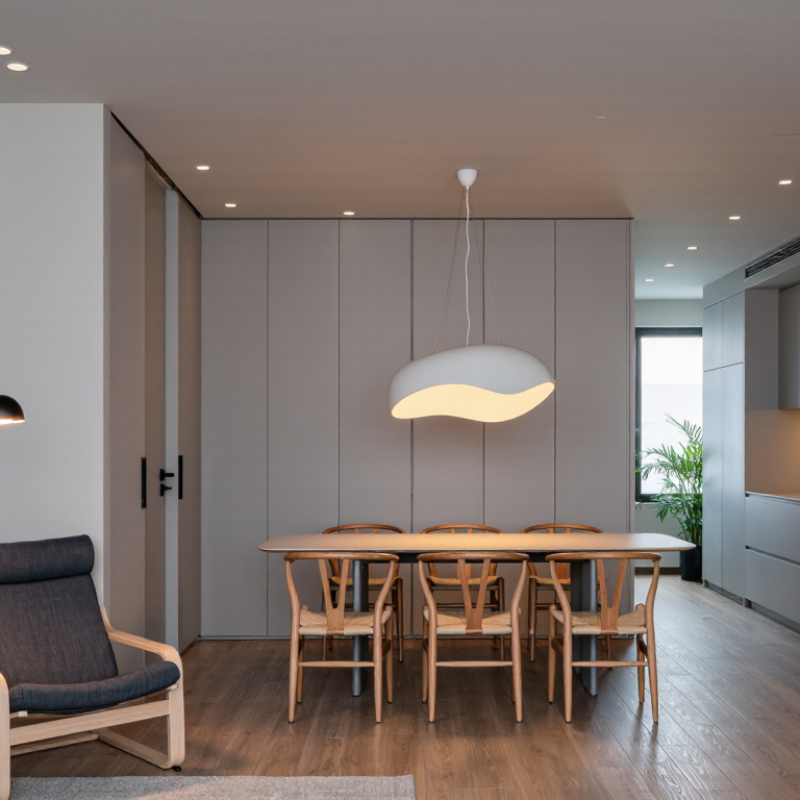
How to Find the Latest Trends in Indoor Lighting?

Understanding What Counts as a Trend in Indoor Lighting

A lighting trend responds to how people use rooms; one striking lamp in a photograph is not enough. Look for patterns across homes, showrooms, renovation features, and professional projects. Warm, dimmable light, layered sources, and sculptural pendants may signal a shift when they appear repeatedly and solve practical needs. One viral fixture is not enough. Context matters.

To judge whether a look has staying power, ask what it improves. Does a wall light reduce glare beside a reading chair? Can separate controls shift a kitchen from meal prep to evening dining? Consider maintenance, ceiling height, natural daylight, and how materials look after dark. Color temperature can change wood, paint, and skin tones. A photograph hides that. I sometimes mistake novelty for usefulness; revisiting the room at different hours helps correct that bias. Trends also vary by region and housing type, so one showroom is not universal evidence.

Tips: Save examples from several sources, then note the shared feature, not the exact product. Test a small bulb or temporary lamp before replacing fixed lighting. Check glare, shadows, and switch access in the actual room. Trends should serve people first.

Exploring Reliable Sources for New Lighting Ideas

Finding fresh indoor-lighting ideas is easier when sources show more than polished room photographs. I look at established design publications, professional lighting journals, and reports from industry exhibitions. These sources often explain why a trend is appearing, not just what it looks like. Useful details include beam angle, color temperature, glare control, dimming behavior, and fixture materials. A warm pendant may photograph beautifully, yet feel harsh above a reflective kitchen island. Small details matter.

For practical checks, consult technical documents and independent testing information alongside editorial coverage. Look for measured light output, color-rendering data, energy use, and safety information. Confirm that figures refer to the exact product and configuration. Interviews with lighting designers and electricians can add context about installation limits and maintenance. I also save dated images from showrooms, hotels, and local projects, then compare them over several months. Trends can be regional. A finish popular in a coastal home may feel out of place in a dim apartment. I have mistaken a dramatic showroom scene for a usable idea; at home, the same effect felt tiring. My notes are sometimes messy, and I still trust photographs too quickly.

Tracking Advances in Fixtures, Controls, and Light Sources

To find current indoor-lighting trends, track fixtures, controls, and light sources together. A slim recessed fixture may look clean, but its beam angle and glare determine how comfortable it feels. Compare cut sheets for lumen output, color temperature, color rendering, and dimming range. Visit showrooms or inspect installed projects when possible; photographs rarely reveal harsh reflections on a desk or kitchen counter.

Control systems are shifting toward simpler scenes, daylight response, and occupancy sensing. Look for clear information about compatibility, setup, and manual overrides. A sensor that dims lights near a bright window can save energy, but poor placement may leave a work surface gloomy. Light sources are also improving in efficiency and color quality. Check for published performance data, including flicker information, and consider whether adjustable white light suits the room’s actual use. New features can sound impressive. They do not always improve daily comfort.

Tips: Follow lighting exhibitions, technical publications, and product specification updates. Compare claims against measured data, then test a sample in the intended room. Trends can overpromise; comfort is harder to judge on paper.

Evaluating Trends for Quality, Efficiency, and Practical Use

How to Find the Latest Trends in Indoor Lighting?

New indoor lighting trends can look impressive in photographs, but appearance alone says little about quality. Check the fixture’s materials, finish, and construction. Loose joints or uneven coatings may signal poor durability. For efficiency, compare light output in lumens with power use in watts; wattage alone does not show how bright a lamp will be. Look for clear product information, including color temperature, color rendering, and expected operating life. Small details matter. A high color-rendering value can help food, fabrics, and paint look more natural, though personal preference still counts.

Practical use is where a trend proves itself. Consider the room’s size, ceiling height, and daily tasks before choosing a fixture. A bright pendant may suit a kitchen island but create glare above a sofa. Check whether dimming controls work with the light source, and test warm or cool tones in the actual room. Daylight changes how a shade appears. A sleek design can still be awkward to clean or replace, and I would not ignore that just because it is popular. Compare specifications with independent efficiency or safety information when available, then assess comfort, maintenance, and cost together. A showroom impression can be misleading.

Applying Current Lighting Trends to Indoor Spaces

Applying current lighting trends indoors works best when each choice solves a real need. Start by noticing where daylight falls and where shadows gather. In a reading corner, combine a soft ambient source with an adjustable lamp aimed at the page. This layered approach makes the room more flexible than relying on one bright ceiling fixture.

Warm, dimmable lighting can make living spaces feel calmer, while clear task lighting helps in kitchens and work areas. Choose bulbs by checking their color temperature and brightness, not just their appearance in a display. Test the light at home. A fixture that looks sculptural in a photograph may cast awkward shadows over a dining table. Trend-led rooms can be beautiful, but comfort matters more after sunset.

Try one change at a time: add a floor lamp, replace a harsh bulb, or install a dimmer compatible with the lamp. Keep existing controls if they work well. Small adjustments make it easier to judge whether the new lighting improves daily routines. I have found that people often overlook the darkest part of a room; it is worth checking corners before buying another decorative fixture. Allow room for personal taste, too. Not every current trend will suit every home.

FAQS

What makes an indoor lighting style a real trend?

It appears across homes, renovations, and professional projects. One popular photograph proves little. The trend should solve a real need.

How can I tell if a lighting trend will last?

Ask what it improves in your room. Test it at different hours, since daylight changes how wood and paint look. I sometimes mistake novelty for usefulness.

What should I check before buying a fixture?

Check its materials, finish, construction, and expected operating life. Look for loose joints or uneven coatings. Small details matter.

How do I compare brightness and energy use?

Compare lumens with watts. Lumens describe light output; watts describe power use. Wattage alone does not tell you how bright a lamp feels.

Why test a light in the actual room?

A showroom may hide glare and harsh reflections. Try the light near your desk or kitchen counter. Photographs rarely show the whole story.

What should I know about dimmers and lighting controls?

Confirm that the dimmer works with the light source. Check setup, compatibility, and manual overrides. Poorly placed sensors can leave a work surface gloomy.

How do color temperature and color rendering affect a room?

Light color can change how food, fabric, paint, and skin appear. Test warm or cool tones in the room. Preferences differ.

How can I choose lighting for a room’s daily use?

Consider room size, ceiling height, daylight, and tasks. A pendant may work over a kitchen island but cause glare above a sofa. Cleaning and replacement matter, too.

Conclusion

Finding current indoor lighting trends starts with distinguishing lasting improvements from short-lived styles. Look for ideas that combine visual appeal with better comfort, flexibility, and energy use. Reliable sources include design publications, trade events, professional discussions, and project showcases, but compare suggestions across several sources rather than treating every new look as a lasting trend. Asking “what are the latest trends in indoor lighting” can be a useful starting point for exploring emerging approaches.

Pay attention to changes in fixtures, controls, and light sources, including adaptable systems that let people adjust brightness and color temperature for different activities. Before adopting a trend, consider light quality, efficiency, maintenance, cost, and how well it suits the room. A thoughtful application might use layered lighting, combining general, task, and accent light while keeping controls simple. By weighing practical needs alongside appearance, homeowners and designers can create indoor spaces that feel current, comfortable, and useful over time.

Liam

Liam

Liam is a dedicated marketing professional with a profound expertise in the industry, where he excels at highlighting the unique advantages of our core products. With a keen understanding of market trends and consumer needs, Liam frequently updates our company’s professional blog, providing......