Good lighting does more than brighten a room. It helps people read surfaces, judge distance, and notice hazards before contact. In a workshop, a clear beam can reveal oil near a machine or a loose cable across the floor. In a corridor, even illumination reduces harsh shadows around steps and doorways. These small visual cues influence movement, attention, and confidence.
Understanding how to improve safety with proper lighting begins with observing real behavior, not simply adding brighter bulbs. Experienced facility teams inspect rooms at different times, including early mornings, night shifts, and power-saving periods. They check glare on screens, reflections on wet floors, dark corners, and confusing changes between indoor and outdoor brightness. Light changes behavior. A driver slows near a well-marked entrance, while a worker pauses when a task area looks uncertain. However, brightness alone is not a safety plan. Excessive glare can hide details, cause eye strain, and make cameras perform poorly. Color quality, uniformity, fixture placement, controls, and maintenance deserve equal attention.
Reliable guidance should combine site measurements, manufacturer information, accessibility needs, and feedback from people using the space. A lux meter can expose weak areas that appear acceptable to the eye. A simple evening walkthrough may reveal shadows missed during design reviews. Details matter. Still, no lighting arrangement removes every risk. Lamps fail, furniture moves, and people occasionally ignore warnings. That is why inspections, documented adjustments, and honest review remain essential. The goal is practical visibility: enough light to support safe decisions without creating new distractions. With careful testing and ongoing improvement, lighting becomes part of a broader safety culture, rather than a decorative afterthought.
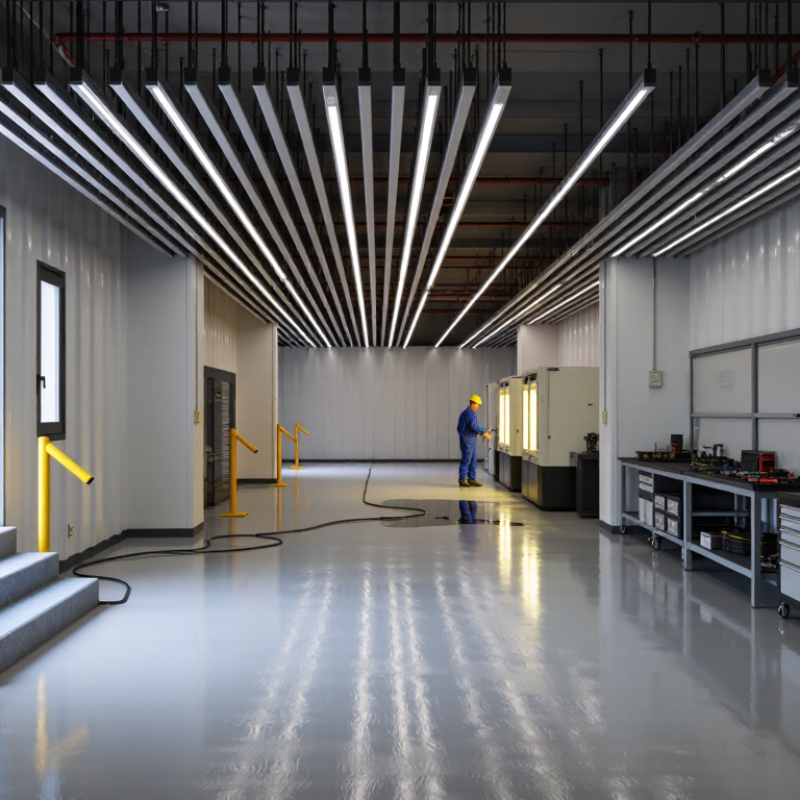
How to Improve Safety With Proper Lighting?
Understanding How Lighting Affects Safety
Lighting changes how people judge distance, movement, and hazards. In workplace inspections, I have seen small shadows hide loose cables, wet floors, and uneven steps. A bright space is not automatically a safe space. Excessive brightness can create glare, making signs and approaching people harder to see. Poor color quality may also hide warning colors or subtle changes in floor surfaces.
Good lighting should match the task. Stairways need even illumination from top to bottom. Walkways should avoid dark gaps near doors, corners, and storage areas. Motion sensors can support safety, but delays may leave people in darkness. Emergency lights should remain visible during power failures and receive regular testing. These details require professional assessment, not guesswork.
Tips: Check lighting from a person’s actual eye level. Look for reflections on polished floors and glass. Replace flickering lamps quickly. Keep emergency exits unobstructed and clearly visible. Measure dark areas instead of relying only on visual impressions. Ask workers where they feel uncertain, because they notice risks visitors often miss. No plan is perfect. I once underestimated glare near a bright entrance, and the problem became clear only during late-afternoon testing. Review lighting in daylight, darkness, and changing weather conditions.
| Application Area | Recommended Maintained Illuminance | Glare Control Target | Minimum Colour Rendering Index | Safety Benefit | Practical Lighting Measures |
|---|---|---|---|---|---|
| Pedestrian Walkways and Corridors | 100–200 lux | UGR ≤ 25 | Ra ≥ 80 | Improves visibility of floor changes, obstacles, edges, and other pedestrians while reducing trip and collision risks. | Use continuous, evenly distributed lighting; avoid dark gaps, harsh contrasts, and exposed glare sources. |
| Stairs and Ramps | 150–300 lux | UGR ≤ 25 | Ra ≥ 80 | Supports accurate perception of step height, nosings, landings, and changes in elevation. | Light the top and bottom of each flight, minimize shadows on steps, and provide consistent illumination along handrails. |
| Building Entrances and Lobbies | 200–300 lux | UGR ≤ 22 | Ra ≥ 80 | Helps users adapt between outdoor and indoor brightness levels and improves recognition of people, signs, and hazards. | Use gradual transitions between exterior and interior lighting and avoid bright luminaires in the direct field of view. |
| Parking Areas and Vehicle-Pedestrian Zones | 10–30 lux | UGR ≤ 25 | Ra ≥ 70 | Improves detection of pedestrians, vehicles, curbs, bollards, and surface obstructions. | Provide uniform coverage, control shadows behind vehicles, and direct light away from drivers’ eyes. |
| Office and Administrative Work Areas | 500 lux | UGR ≤ 19 | Ra ≥ 80 | Reduces visual fatigue and supports accurate reading of instructions, labels, screens, and safety information. | Use shielded luminaires, balanced ceiling and task lighting, and positioning that limits reflections on displays. |
| Workshops and General Industrial Tasks | 300–500 lux | UGR ≤ 25 | Ra ≥ 80 | Improves recognition of moving equipment, tools, defects, leaks, and unsafe work conditions. | Combine general lighting with task lighting where precision is required; prevent moving shadows near machinery. |
| Detailed Inspection and Precision Work | 750–1,000 lux | UGR ≤ 19 | Ra ≥ 90 | Supports accurate identification of small defects, colour differences, fine components, and surface damage. | Use adjustable task lighting with high colour fidelity, low flicker, and sufficient shielding from direct glare. |
| Emergency Routes and Exits | At least 1 lux on the escape-path centreline | Glare minimized | Not usually specified | Maintains route visibility during power interruptions, smoke conditions, or evacuation events. | Provide emergency lighting with automatic operation, visible exit signs, regular testing, and clear access to doors. |
| Reference note: Values are commonly used design targets based on international workplace and emergency-lighting guidance, including EN 12464-1 and EN 1838. Actual requirements depend on local regulations, task complexity, risk assessment, room geometry, maintenance conditions, and the needs of people with reduced vision. “Lux” indicates illuminance, “UGR” indicates unified glare rating, and “Ra” indicates the general colour rendering index. | |||||
Dim areas may conceal wet patches, loose cables, uneven floors, or objects beneath shelves. A missed edge can cause a fall. Inspect corridors during busy periods.
No. Excessive brightness may create glare on polished floors or glass doors. Strong reflections can distort depth and make steps appear unsafe. More light is not always better.
View stairs from a user’s eye level, not only from above. Look for shadows, sharp contrast, and unclear step edges. One hidden stair matters.
Inspect during the busiest period and test changes after sunset. A solution that works at noon may fail at night. Daylight can hide weaknesses.
Clean dusty covers and lenses regularly. Replace failed lamps quickly and check damaged diffusers. Also inspect loose fittings, water entry, and blocked emergency fixtures.
Monthly checks are commonly recommended, where applicable to the adopted safety code. An annual test may need to run for at least 90 minutes. Record failures and corrective actions.
Repeated failures may indicate vibration, excess heat, or wiring defects. Replacing the lamp alone may not solve the problem. The real cause can remain hidden.
Ask employees where they struggle to see during normal work. They may notice glare, dark corners, or flickering before an inspection does. Checklists miss things sometimes.
Technical areas should be measured with suitable equipment. Clean lenses before taking readings. Compare results with the facility plan and applicable workplace guidance.
Record the inspection date, test conditions, failures, and completed repairs. Keep the log near the electrical room or another accessible location. A missed record can hide a missed inspection.
How to improve safety with proper lighting begins with understanding how light influences visibility, awareness, and decision-making. Bright, balanced, and well-distributed lighting can help people recognize obstacles, read signs, identify changes in floor levels, and respond quickly to potential dangers. In contrast, dim, uneven, flickering, or excessively glaring light may create shadows, hide hazards, cause eye strain, and increase the risk of trips, collisions, and mistakes.
Effective safety lighting should be selected according to the environment, its activities, and the needs of the people using the space. Work areas may require focused illumination, while walkways and common areas benefit from consistent, glare-free coverage. Lights should be positioned to reduce shadows and illuminate critical points such as entrances, stairs, exits, and equipment. Regular inspections, cleaning, timely repairs, and replacement of aging components are also essential. By combining thoughtful planning, correct installation, and ongoing maintenance, lighting systems can provide reliable visibility and support long-term safety.

 Velvet Light