In recent years, businesses have increasingly turned to LED lighting as a crucial element in enhancing energy efficiency. How does LED lighting improve energy efficiency? According to the U.S. Department of Energy, LED lights use about 75% less energy than traditional incandescent bulbs and last up to 25 times longer. This significant reduction in energy consumption can lead to substantial savings, particularly in global supply chains where lighting represents a considerable cost.
The adoption of LED lighting technology not only cuts energy costs but also reduces greenhouse gas emissions. A report by the International Energy Agency revealed that widespread use of LEDs could reduce global electricity consumption for lighting by 30% by 2030. However, the transition is not without challenges. Many companies struggle with the initial investment. While the long-term benefits are clear, organizations must weigh the costs against immediate budget constraints.
Understanding how to implement LED solutions effectively is essential for operational efficiency. It involves exploring the integration of smart technologies, which add further layers of complexity but can enhance overall productivity. As industries reflect on their lighting strategies, they must assess both the potential advantages and the obstacles in adopting LED technology.
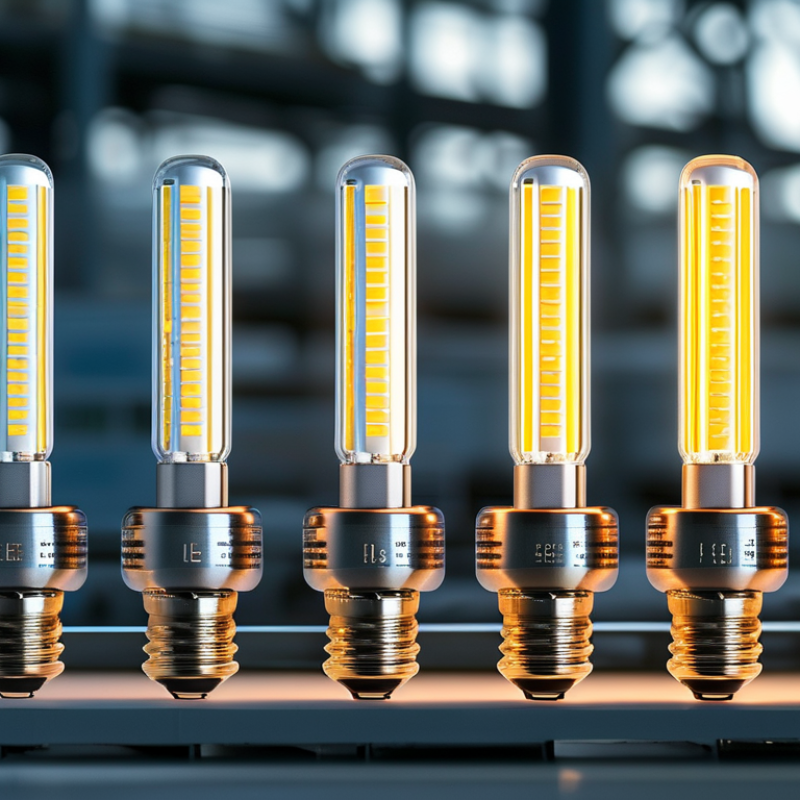
The Role of LED Lighting in Improving Supply Chain Efficiency
LED lighting plays a transformative role in enhancing supply chain efficiency. By providing longer lifespans and lower energy consumption, LED lights significantly reduce operational costs. Facilities can achieve better illumination with less energy, leading to lower greenhouse gas emissions. This improvement is not just financial; it contributes to a more sustainable approach to supply chain management.
In warehouses, LED lighting makes a noticeable impact. Workers can easily identify products and navigate aisles. This visibility boosts productivity, reducing time wasted in locating items.
However, switching to LED can require an initial investment. Some companies may hesitate, unsure if the long-term savings will justify the cost.
Another consideration involves the maintenance of LED systems. While they last longer, when issues arise, repairs can be complex. Organizations need to assess their capacity for these challenges. Overall, LED lighting certainly offers compelling benefits, yet thorough planning is essential for successful integration.
Understanding Energy Consumption in Global Supply Chains
In global supply chains, energy consumption is a critical metric for efficiency. According to the International Energy Agency (IEA), the logistics sector consumes about 14% of total global energy. This significant energy use reflects the need for improved efficiency in logistics operations.
LED lighting emerges as a vital component in addressing this challenge. Studies indicate that LED systems can reduce energy consumption by up to 50% compared to traditional lighting. For warehouses, energy savings are crucial. Facilities operating around the clock benefit significantly from LED technology. This shift leads to not only financial savings but also a smaller carbon footprint.
However, the implementation of LED lighting in supply chains is not without challenges. Initial costs can be high, possibly deterring companies from upgrading. Moreover, the infrastructure in existing facilities may require modifications to accommodate these new systems. Understanding the long-term benefits versus the immediate expenses is essential for decision-makers. Energy audits can help identify potential savings, but the transition may require patience and reflection on past practices.
Comparative Analysis: LED vs. Traditional Lighting Systems
LED lighting significantly enhances energy efficiency when compared to traditional lighting systems. Traditional bulbs often waste energy through heat production. In contrast, LED lights convert a higher percentage of energy into visible light. This efficiency leads to reduced power consumption, which is crucial for global supply chains. With lower energy demands, organizations can save considerably on utility costs.
Moreover, LED systems offer a longer lifespan than traditional options. While incandescent or fluorescent lights may require frequent replacements, LEDs can last for tens of thousands of hours. This durability minimizes maintenance costs and disruptions in operations. However, the initial investment for LED lighting can be higher, which requires careful consideration.
We also see variations in lighting quality. Some may find that LED lights can create harsh lighting conditions. Adjusting color temperatures and brightness levels is essential to ensure a comfortable working environment. Balancing energy efficiency with user experience is vital in decision-making. Businesses must weigh the upfront costs against the long-term savings and benefits.
Case Studies: Successful Implementation of LED Lighting Solutions
LED lighting has revolutionized energy efficiency in global supply chains. A notable case study involves a major retailer that switched to LED solutions in its warehouses. This transition resulted in a 40% reduction in energy consumption. According to the Department of Energy, LED lighting uses up to 75% less energy than traditional incandescent bulbs. Such efficiency not only lowers energy costs but also significantly cuts carbon emissions.
Another example can be found in a manufacturing facility that implemented LED lights in production areas. They experienced a 30% increase in visibility and a 25% decrease in lighting-related maintenance. The long lifespan of LED lights minimizes replacement frequency, further enhancing operational efficiency. Industry research indicates that improved lighting conditions can boost worker productivity by up to 20%, demonstrating the multifaceted benefits of this technology.
Despite these successes, challenges remain. The initial investment for LED technology can be a barrier for some companies. Additionally, integrating LED systems with existing infrastructure may require substantial planning. Organizations must accurately assess these factors to fully realize the benefits of LED lighting in their supply chains. The transition involves more than just cost savings; it represents a shift towards sustainable practices in a competitive landscape.
How Does LED Lighting Enhance Energy Efficiency in Global Supply Chains? - Case Studies: Successful Implementation of LED Lighting Solutions
| Case Study |
Industry |
Initial Energy Consumption (kWh/year) |
Post-Implementation Consumption (kWh/year) |
Energy Savings (%) |
Payback Period (Months) |
| Warehouse A |
Retail |
150,000 |
90,000 |
40% |
18 |
| Manufacturing Facility B |
Manufacturing |
200,000 |
120,000 |
40% |
24 |
| Distribution Center C |
Logistics |
120,000 |
72,000 |
40% |
12 |
| Office Space D |
Corporate |
80,000 |
48,000 |
40% |
15 |
Future Trends in LED Technology and Supply Chain Sustainability
The future of LED technology holds great promise for supply chain sustainability. Companies increasingly recognize the significance of energy-efficient lighting solutions. LED technology not only reduces energy consumption but also minimizes greenhouse gas emissions. For instance, LED lights use 75% less energy than traditional incandescent bulbs. This shift contributes to lower operational costs, an attractive proposition for businesses.
However, the journey towards widespread adoption is not without challenges. Many supply chains still rely on outdated lighting systems, leading to inefficiencies. Transitioning to LED technology requires initial investments that may deter some organizations. Yet, the long-term savings and environmental benefits can outweigh these concerns. Companies must weigh their options carefully, balancing immediate costs with future gains.
Looking ahead, we can expect further innovations in LED technology. Research continues on improving light efficacy and lifespan, as well as developing smart lighting solutions. These advancements will enable real-time energy management, enhancing supply chain operations. Adopters will need to stay informed about these trends to remain competitive and sustainable. Embracing this shift may be difficult, but the potential rewards are significant.
Conclusion
The article "How Does LED Lighting Enhance Energy Efficiency in Global Supply Chains?" explores the pivotal role of LED lighting in boosting the overall efficiency of supply chains. By analyzing energy consumption patterns within global supply chains, it highlights how transitioning to LED lighting systems can significantly reduce energy costs and enhance operational performance. Through a comparative analysis of LED and traditional lighting systems, the article emphasizes the superior energy efficiency of LEDs.
Moreover, it presents various case studies showcasing successful implementations of LED lighting solutions across different sectors. These examples illustrate tangible benefits, such as lower energy usage and reduced carbon footprints. Looking ahead, the article discusses future trends in LED technology that promise to further advance supply chain sustainability, reinforcing the critical question: how does LED lighting improve energy efficiency?

 Velvet Light