In recent years, LED panel lights have gained popularity globally. Many buyers are curious about what are the benefits of LED panel lights. These fixtures offer a range of advantages, making them a smart choice for various settings, such as homes and offices.
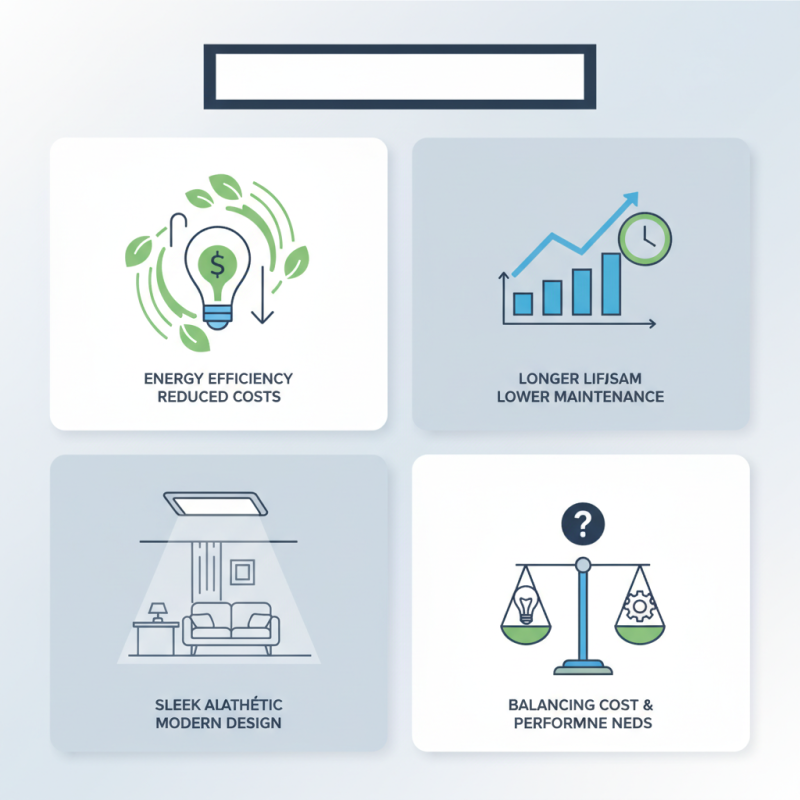
Energy efficiency is one of the standout benefits. LED panel lights consume significantly less power than traditional lighting options. This not only reduces electricity bills but also minimizes environmental impact. Furthermore, they have a longer lifespan, which leads to lower replacement costs over time.
Aesthetic appeal is another important aspect. Many designs are sleek and modern, enhancing interior décor. However, buyers must consider their needs and the specific environments where these lights will be used. While the advantages are clear, users should evaluate if LED panel lights truly meet their unique lighting requirements. Balancing cost and performance is essential in making an informed decision.
Introduction to LED Panel Lights and Their Global Appeal
LED panel lights have gained widespread popularity among global buyers,
thanks to their versatility and efficiency. These lights provide uniform
illumination, making them ideal for various settings, such as offices, schools, and hospitals. A report by the U.S.
Department of Energy highlights that LED lighting can be up to 80% more energy-efficient
than traditional lighting solutions. This substantial energy saving appeals to businesses seeking to reduce operational
costs while minimizing their environmental impact.
Moreover, the lifespan of LED panel lights is a significant advantage. According to a study by the
Lighting Research Center, LEDs can last up to 50,000 hours,
far exceeding the lifespan of conventional bulbs. This longevity reduces the frequency of replacements, which can save time
and resources. However, buyers should be aware of potential quality variations in the market.
Not all LED products are created equal, and some may not meet performance expectations, causing frustrations for users.
The global demand for LED lighting continues to rise. A recent report from Fortune Business Insights
projects that the market for LED lighting will reach $165 billion by 2028. This growth reflects an increasing
recognition of LED panel lights' benefits. As buyers consider their options, they must weigh the cost against expected
performance carefully. Investing in quality products can lead to significant long-term savings. Still, the market's
diversity requires vigilance and information to ensure buyer satisfaction.
Energy Efficiency and Cost Savings of LED Panel Lights
LED panel lights have become increasingly popular among global buyers due to their energy efficiency and cost savings. These lights consume significantly less power than traditional incandescent or fluorescent lights. As a result, businesses can lower their electricity bills substantially. For instance, switching to LED panels can reduce energy usage by up to 75%. This reduction not only saves money but also lessens the environmental impact.
Using LED panel lights improves lighting quality in various settings. Their even distribution of light enhances visibility and comfort, making them ideal for offices and commercial spaces. However, quality varies among manufacturers. It’s essential to research and choose reliable suppliers. Look for lights with good color rendering and long lifespans to ensure investment value.
**Tips:** Consider using smart lighting control systems to maximize energy savings. Dimming capabilities can further reduce energy consumption. Always check for energy efficiency ratings when buying LED lights. This can help avoid subpar products that may not last as long as expected. Prioritize long-term benefits over initial costs for sustainable outcomes.
Versatility and Aesthetic Benefits of LED Panel Lighting
LED panel lights are gaining popularity for their versatility and aesthetic appeal. These lights fit a wide range of settings, from offices to homes. They provide even illumination, increasing comfort and productivity in workspaces. According to a study by the U.S. Department of Energy, lighting can affect mood and performance, showing that LED panel lights can enhance employee well-being.
The sleek design of LED panels contributes to modern interior aesthetics. They can blend seamlessly into ceilings, providing a clean and minimalist look. Research has found that effective lighting can improve visual clarity by up to 50%, which is essential in environments requiring attention to detail. However, it’s important to reflect on the placement of these lights, as improper installation can lead to uneven brightness, which may distract instead of enhance.
Versatile applications of LED panel lights extend beyond functional use. They can create different atmospheres through adjustable color temperatures and brightness levels. A report from the International Energy Agency highlights a growing trend in smart building technologies, where lighting adapts to user preferences. Yet, it’s crucial to balance aesthetics with functionality, ensuring that lighting solutions meet the practical needs of the space.
Sustainability and Eco-Friendliness of LED Technology
LED technology has emerged as a cornerstone in the quest for sustainability. By consuming up to 75% less energy than traditional incandescent bulbs, LED panel lights significantly reduce electricity demand. A study from the U.S. Department of Energy highlights that widespread adoption of LED lighting could save roughly $250 billion in energy costs over the next 20 years. This presents a compelling case for global buyers prioritizing energy efficiency.
Moreover, LED lights boast a longer lifespan. Most LED panels last between 25,000 and 50,000 hours. This longevity not only minimizes the frequency of replacements but also reduces waste. In fact, the environmental impact of disposal becomes a key concern. Traditional bulbs contain harmful materials like mercury. In contrast, LEDs are free from toxic substances, enhancing their eco-friendliness.
The benefits extend to greenhouse gas emissions as well. By using LED lights, users can reduce carbon dioxide emissions by over 1.6 billion metric tons annually, according to industry reports. Such data reveal a clear link between LED adoption and environmental stewardship. However, there are ongoing debates about the disposal of LED products. The recycling processes for LEDs remain underdeveloped, and this issue warrants further attention from manufacturers and consumers alike.
Benefits of LED Panel Lights for Global Buyers
| Benefit |
Description |
Sustainability Aspect |
Energy Efficiency (kWh/year) |
| Long Lifespan |
LED panel lights can last up to 50,000 hours. |
Reduced waste and lower replacement frequency. |
150 kWh |
| Lower Energy Consumption |
LEDs use up to 75% less energy than traditional lighting. |
Reduces carbon footprint and energy demand. |
200 kWh |
| Bright and Quality Light |
Provides focused lighting that improves visibility. |
Enhances worker productivity while using less energy. |
180 kWh |
| Eco-Friendly |
Free of toxic materials like mercury. |
Reduces hazardous waste in landfills. |
0 kWh |
| Customization Options |
Available in various colors and designs to fit different needs. |
Promotes energy savings with tailored solutions. |
200 kWh |
Market Trends: Demand for LED Panel Lights Among Global Buyers
The demand for LED panel lights is rising among global buyers, driven by their energy efficiency and modern design. Businesses seek to reduce energy costs, and LED lights provide a viable solution. These lights consume significantly less power compared to traditional options. This translates into lower electricity bills and reduced carbon footprints, appealing to environmentally conscious consumers.
Market trends indicate a growing preference for versatile lighting solutions. LED panel lights are available in various sizes and color temperatures. This flexibility allows buyers to customize lighting to fit different spaces, whether in offices or homes. However, not all LED panels are created equal. Some products may not deliver the promised brightness or lifespan. Buyers need to research and choose wisely to avoid underwhelming performance.
The increasing awareness of health and well-being in workspaces further drives interest in energy-efficient lighting. Quality LED lights reduce eye strain and enhance productivity. Yet, many buyers still overlook the importance of proper installation and placement. Improperly installed LED lights can cause uneven lighting, negating their benefits. Navigating the market requires diligence and attention to detail.
Conclusion
LED panel lights have gained significant popularity among global buyers due to their numerous advantages. One of the central questions is, "what are the benefits of LED panel lights?" Firstly, they are highly energy-efficient, leading to substantial cost savings on electricity bills over time. Their long lifespan further enhances economic appeal, reducing the need for frequent replacements.
In addition to financial advantages, LED panel lights offer versatility and aesthetic benefits, seamlessly integrating into various spaces while providing uniform lighting. Their eco-friendliness aligns with growing sustainability trends, as they consume less energy and have a lower environmental impact compared to traditional lighting. As market demand for these innovative lighting solutions continues to rise, it is clear that LED panel lights represent a smart choice for consumers around the world.

 Velvet Light