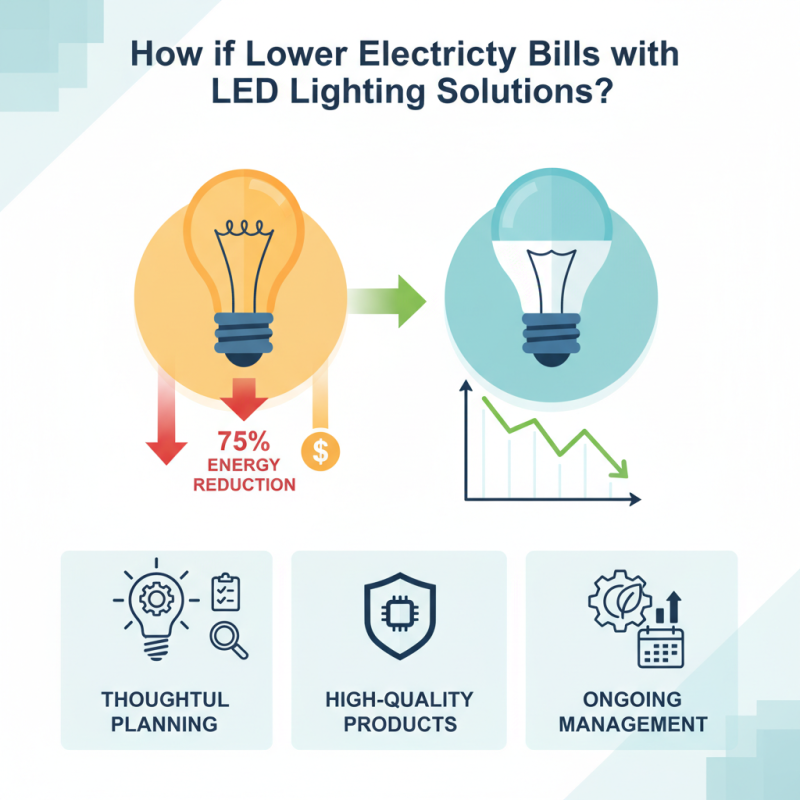
Light-emitting diode (LED) technology has revolutionized the way we illuminate our spaces. According to the U.S. Department of Energy, switching to LED lighting can reduce energy consumption by up to 75% compared to traditional bulbs. This significant reduction in energy usage translates directly to lower electricity bills, making it a smart choice for both homes and businesses.
Experts in the lighting industry emphasize the importance of adopting this technology. Robert T. Wilson, a leading energy consultant, states, "Investing in LED lighting not only lowers costs but also enhances overall ambiance." His insight reflects a growing trend toward sustainable practices. Many organizations are now prioritizing energy efficiency as a core value.
Despite the clear benefits, the transition to LED lighting requires thoughtful planning. Not all LED products are created equal. Some may not deliver the expected energy savings or performance. It's important to research and select high-quality products suited for specific needs. Understanding how to reduce electricity costs with LED lighting involves more than just simply swapping out bulbs. It’s a strategy that needs careful evaluation and ongoing management.
Understanding LED Lighting and Its Benefits for Energy Savings
LED lighting has transformed the way we approach energy efficiency. Understanding its benefits can lead to significant savings on electricity bills. Unlike traditional incandescent bulbs, LEDs consume far less energy. They can use up to 80% less energy while providing the same brightness. This not only reduces your monthly expenses but also lessens your carbon footprint.
The lifespan of LED bulbs is another advantage. They typically last 15,000 to 50,000 hours, depending on usage. This longevity means fewer replacements. However, the initial cost can be higher than traditional options, which might deter some consumers. It’s important to weigh the initial investment against long-term savings. Many people overlook this aspect and focus only on upfront costs.
Switching to LED lighting can also enhance the quality of light in your spaces. The light emitted is closer to natural daylight, improving mood and productivity. However, not all LED products are created equal. Some may flicker or have inconsistent color temperatures. It’s vital to do thorough research before making a purchase. Look for reliable sources of information to ensure the quality of your choice.
Comparing LED Lighting to Traditional Lighting Options
When comparing LED lighting to traditional lighting options, the differences become stark. Traditional incandescent bulbs waste a significant amount of energy as heat. In contrast, LED lights convert most of the energy they consume into light. This efficiency means less electricity is needed for the same illumination level. Over time, this leads to substantial savings on energy bills.
The longevity of LED bulbs is another advantage. Traditional bulbs require frequent replacements, driving up maintenance costs and waste. LEDs can last up to 25,000 hours. This durability reduces both environmental impact and new purchases. However, the initial cost of LED bulbs might seem higher. The upfront investment can deter some consumers. Yet, it's crucial to consider the total cost of ownership.
Transitioning to LED lighting also has implications for light quality. Some people find LED lights too cold or harsh. Adjusting to the different color temperatures can take time. There might be a learning curve in adjusting brightness and ambiance in your space. Despite these challenges, the energy savings and longer lifespan often outweigh the drawbacks. Adopting LED solutions encourages a more sustainable future for our communities.
Strategies for Implementing LED Lighting in Your Home
Implementing LED lighting in your home can be a game-changer for reducing electricity bills. Start by assessing your current lighting situation. Look at where you use the most energy. Common areas include
living rooms,
kitchens, and
outdoor spaces. This analysis helps you focus on the most impactful changes.
When selecting LED bulbs, consider their brightness, color temperature, and energy star ratings. Not all LEDs are created equal. Some produce a harsh light, while others offer a warm glow. This choice affects not only comfort but also energy efficiency.
Tip: Replace incandescent bulbs with LEDs gradually. Make small changes initially to see how they fit in your space. Monitor your energy bills month by month. Adjust your approach based on these results.
Additionally, explore smart lighting options. Smart LEDs allow you to control brightness and schedules remotely. This can lead to even greater savings. But not every room may need smart lighting. Experiment with different setups before fully committing.
Tip: Take note of how often you use certain lights. It may be surprising. You might find that some rooms hardly need illumination. Focus your efforts where they matter most.
Calculating Potential Savings on Electricity Bills with LED Lighting
Switching to LED lighting can significantly lower electricity bills. To calculate potential savings, you need to consider several key factors. First, analyze the wattage of your current bulbs. For instance, a 60-watt incandescent bulb can be replaced with a 10-watt LED bulb. This simple switch reduces energy consumption drastically.
Next, input your local energy costs. The average electricity rate in the U.S. is about $0.13 per kilowatt-hour. By using LED lighting, you can save about $5 to $10 per bulb each year. If you replace 10 bulbs, the savings add up quickly. However, not all LED products are equally efficient. Evaluating their lifespan and quality is critical.
It's important to evaluate your current lighting usage. If you do not track how often lights are on, you might underestimate savings. Some might assume all LEDs are the same, which isn't true. Some may flicker or dim out sooner than expected. Not every brand lives up to its promises. Therefore, focus on quality and efficiency for reliable savings. Ultimately, simple calculations reveal that switching to LED solutions can be both practical and economically wise.
Tips for Proper LED Lighting Maintenance and Longevity
LED lighting is an effective way to lower electricity bills, but maintenance is key to ensuring optimal performance and longevity. To keep your LED lights functioning well, regularly dust and clean the fixtures. Dust accumulation can block light output and reduce efficiency. Consider using a microfiber cloth for best results.
Check for any signs of flickering or dimming. These issues can indicate a need for replacement or potential wiring problems. Always consult a professional if you’re unsure. Monitor the lifespan of your LEDs, typically around 15,000 to 50,000 hours. Replacing lights before they fail can save you from unexpected expenses.
Ensure proper installation to maximize efficiency. Misalignment can lead to uneven lighting and increased energy consumption. Assess your lighting design periodically. Evaluate if your current setup fits your needs. Adjust as necessary. Regular maintenance and thoughtful evaluation of your LED lighting can enhance their effectiveness, ultimately saving you money.
FAQS
: LED lights reduce electricity bills. They last much longer than traditional bulbs, often up to 50,000 hours.
Assess your current lighting. Identify high-energy areas like kitchens and living rooms. Focus on those first.
Look for brightness, color temperature, and energy ratings. Different LEDs can produce different types of light.
No, replace them gradually. Start small and see how they fit before making full changes.
Smart LEDs let you control brightness and schedules remotely, potentially saving more energy than regular bulbs.
Regularly dust and clean fixtures. Accumulated dust can reduce light output and efficiency.
Flickering may signal a problem. Check for wiring issues or consider replacing the bulb if uncertain.
Take note of how often you use each light. You might find some areas need less illumination.
Misalignment can cause uneven lighting and higher energy use. Proper setup maximizes lighting efficiency.
Regularly assess your lighting design. Adjust based on your current needs and usage patterns for optimal performance.
Conclusion
In exploring how to reduce electricity costs with LED lighting, it's important to understand the numerous benefits LED lights offer for energy savings. Compared to traditional lighting options, LEDs consume significantly less energy and have a longer lifespan, making them a cost-effective choice for homeowners. Properly implementing LED lighting throughout your home involves strategic placement and considering factors like wattage and lumens to maximize their efficiency.
To calculate potential savings, homeowners should assess their current energy usage and compare it with the lower consumption rates of LED lighting. Regular maintenance and care will further extend the longevity of LED fixtures, ensuring that you continue to enjoy reduced electricity bills over time. By following these guidelines, transitioning to LED lighting can lead to significant financial benefits and a more sustainable home environment.

 Velvet Light