Explore our foundational commercial and industrial LED architectural systems optimized for global deployment.
An Industrial Deep Dive into Photometric Accuracy, Structural Rigidity, and Harmonized Control Protocols.
Modern commercial architecture demands far more than basic illumination. As the visual focal point in high-end hospitality lobbies, grand corporate atriums, and luxurious residential projects, the modern chandelier must serve as a synchronized system of aesthetics and engineering. The shift from traditional light sources to solid-state, integrated LED chandeliers has opened the door for unparalleled customization. However, this has also introduced complexities in thermal mitigation, electrical driver housing, weight distribution, and protocol interoperability (such as DALI-2, 0-10V, and Casambi wireless).
For lighting specifiers, mechanical engineers, and procurement offices, selecting an OEM/ODM partner is a critical decision. It requires analyzing the supplier's capability to translate conceptual sketches into high-fidelity photometrical mockups, maintaining tight chromatic consistency (SDCM < 3), and ensuring compliant structural safety factors (>5 times the fixture's static load). This whitepaper details the criteria and processes necessary to execute custom architectural lighting projects successfully.
How Hangzhou Velvet Light Co., Ltd. Delivers State-of-the-Art Commercial Solid-State Solutions.
Hangzhou Velvet Light Co., Ltd. is a professional manufacturer dedicated to providing energy-efficient LED lighting solutions, specializing in panel lighting, indoor lighting systems, and parking garage lighting applications. Based in Hangzhou, a leading hub for innovation and manufacturing in China, the company benefits from advanced supply chain resources and strong technical expertise.
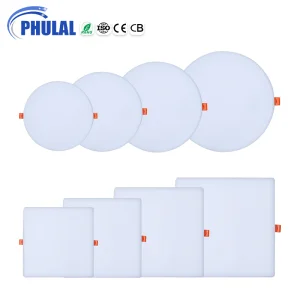
Since its establishment, Velvet Light has focused on developing high-performance LED products that combine energy efficiency, durability, and modern design. Its product portfolio includes LED panel lights for offices and commercial spaces, indoor lighting solutions for residential and retail environments, and robust parking garage and canopy lighting systems designed for safety and long-term operation.
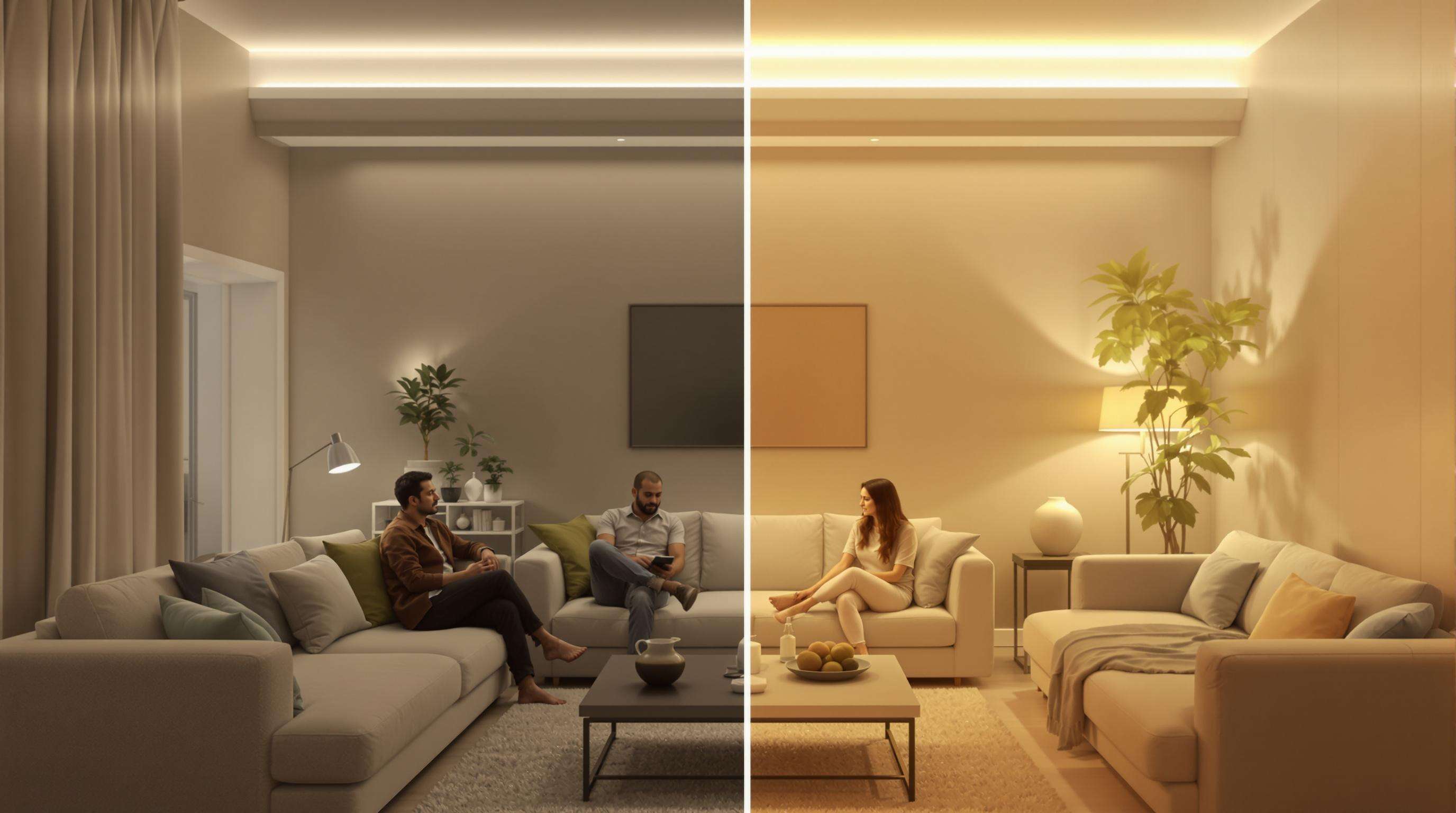
The company operates a well-equipped production facility supported by a skilled team of engineers, quality control specialists, and experienced technicians. By integrating advanced LED technology with strict quality management processes, Hangzhou Velvet Light ensures consistent product performance and compliance with international standards.
Driven by innovation and sustainability, the company continues to invest in research and development, offering smart and energy-saving lighting solutions to global customers. Hangzhou Velvet Light Co., Ltd. is committed to delivering reliable products and building long-term partnerships worldwide.

For procurement officers in North America, Europe, and the Middle East, procuring high-volume commercial lighting or highly custom statement chandeliers presents distinct challenges. Managing supply chain dependencies requires verified component suppliers for critical points of failure. The LED driver, for instance, represents the most vulnerable element in any solid-state system. Our OEM/ODM setups mitigate this risk by sourcing drivers from certified Tier-1 suppliers like Tridonic, Lifud, and MeanWell. This ensures high power factor (PF > 0.95) and minimal total harmonic distortion (THD < 10%).
Our custom chandelier manufacturing process follows a structured path designed to eliminate risk at every stage:
We create precise 3D CAD blueprints and run comprehensive DIALux simulations. This ensures the output lux levels, beam dispersion angles, and glare control parameters match the architect's design intent before cutting raw metal.
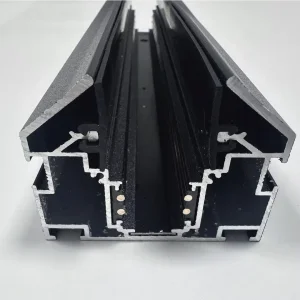
We use high-grade 6063-T5 extruded aluminum for thermal management, high-density copper PCBs for electrical pathways, and options for PMMA or optical-grade PC diffusers to eliminate hotspot pixelation.
Finished assemblies undergo 72-hour continuous burn-in tests, goniophotometric evaluations to generate IES files, and high-voltage dielectric tests to confirm absolute electrical safety.
Today's smart buildings require luminaires that serve as node points in the broader Internet of Things (IoT) ecosystem. Our custom LED chandeliers and commercial lighting systems are designed with protocol flexibility in mind. We provide smart building interfaces that enable seamless, flicker-free dimming down to 0.1%, utilizing amplitude modulation (AM) combined with high-frequency pulse width modulation (PWM) to protect occupant vision and prevent camera banding in broadcast zones.
By leveraging multi-channel LED chips, we construct customized chandeliers capable of dynamic CCT tuning from 2200K to 6500K. This enables designers to mirror natural daylight cycles, supporting circadian rhythm alignment for occupants in corporate environments, healthcare facilities, and hospitality spaces. High-performance SMD LEDs achieve a color rendering index of CRI > 90 (R9 > 50), ensuring that interior textures, wood tones, and human complexions are rendered with fidelity.
The lifespan of a high-power LED chandelier depends heavily on its thermal design. We use advanced thermodynamic simulations to calculate convection patterns and heat sink performance, maintaining LED junction temperatures below 75°C. This limits chromatic shift and ensures the system achieves an L90B10 lifespan rating exceeding 50,000 operating hours. This reliability translates directly to reduced maintenance costs and fewer field failures for long-term installations.
Deploying luminaires internationally requires strict adherence to regional safety and regulatory standards. An uncertified lighting fixture can result in project delays, failed building inspections, or voided insurance coverage. Our OEM/ODM operations prioritize strict compliance, ensuring that all fixtures are manufactured and tested to meet or exceed regional requirements:
Fixtures are constructed to comply with UL 1598 standards for luminaires and UL 8750 for LED equipment. They feature ETL or UL listings for dry, damp, or wet locations, FCC Part 15 compliance, and DLC listings where applicable.
Fully compliant with EN 60598-1 and EN 60598-2-1. CE marked, certified RoHS lead-free, and designed to meet the strict ecodesign mandates of the Single Lighting Regulation (SLR).
Luminaires conform to AS/NZS 60598 requirements. Drivers carry SAA approvals and registration on the national EESS database to ensure compliant sales across Australia and New Zealand.
Beyond certifications, our localized support covers the entire delivery process. We provide customs-cleared DDP shipping options, complete structural mounting documentation, and field-adjustable suspension systems that simplify the installation of large, heavy chandeliers. This helps contractors minimize on-site labor and install fixtures safely and efficiently.
As the LED manufacturing industry evolves, our engineering and R&D pipelines focus on integrating advanced materials and smart features to keep our OEM/ODM partners ahead of the curve:
Expert answers to the most common technical questions regarding custom LED chandelier manufacturing.
We design structural aluminum extrusions (6063-T5) to double as active heat sinks. By conducting thermodynamic FEA simulations, we ensure that heat is conducted away from the LED junctions. This keeps internal operating temperatures below critical limits, ensuring long-term color and output stability.
Yes. We source LEDs within tight MacAdam ellipse parameters (3-step or 2-step SDCM). For larger installations, this ensures consistent color temperature and light quality from fixture to fixture, preventing visible color variations across the space.
We support a wide range of control protocols. Depending on the project requirements, fixtures can be equipped with drivers for DALI-2 (Device Type 8 for Tunable White), 0-10V analog, phase dimming, or wireless systems like Casambi, Tuya, or Zigbee.
Every custom fixture is engineered with a safety factor of 5:1. We specify high-tensile stainless steel aircraft cables, secure mechanical lockouts, and provide detailed structural loading calculations to ensure safe overhead mounting.
Yes. We run photometric tests in our integrating sphere and goniophotometer to generate accurate IES and LDT files. This allows lighting designers and engineers to simulate light output and distribution before final production.
Typical lead times range from 2 to 3 weeks for prototype modeling and design sign-off, followed by 4 to 6 weeks for precision fabrication, wiring, testing, and compliance certification, depending on the scale and complexity of the order.
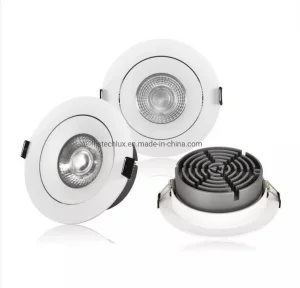
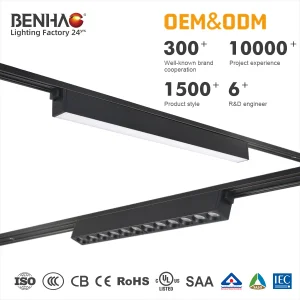
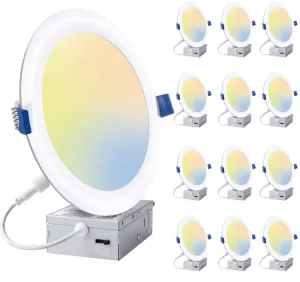
Explore our high-performance recessed panels, spot downlights, and custom linear lighting components.
 Velvet Light