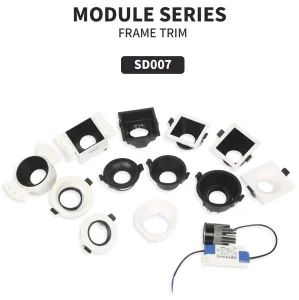
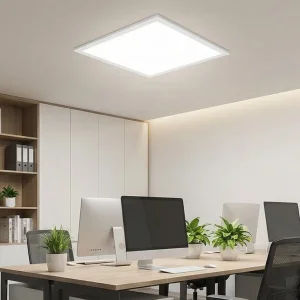
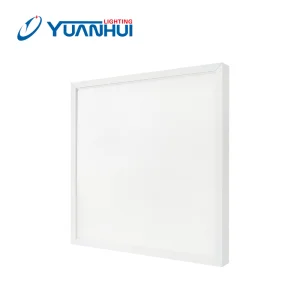
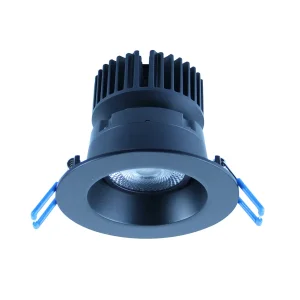
High-efficiency luminaire models, architectural fixtures, and off-grid emergency power configurations engineered for commercial longevity.
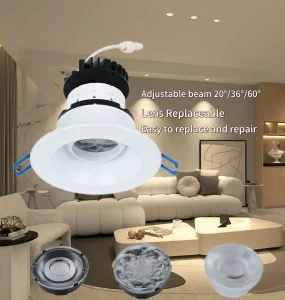
The global commercial and industrial lighting industry is witnessing a structural transformation. Driven by stringent international energy codes, corporate sustainability initiatives, and the critical demands of the modern built environment, luminaire hardware must deliver more than simple illumination. It requires highly integrated optical engineering, advanced thermal management, and reliable electronics. As architecture evolves towards sustainable certification structures like LEED, WELL, and BREEAM, selecting appropriate solid-state lighting components becomes critical.
In this context, China's manufacturing clusters, especially those situated within key tech hubs like Hangzhou, serve as the backbone of global supply chain optimization. The integration of advanced LED semiconductor packaging, high-precision automated assembly lines, and specialized optics allows manufacturers to bridge the gap between design conception and mass production. For procurement executives, electrical engineers, and global lighting distributors, understanding these supplier structures forms the bedrock of long-term business success.
Hangzhou Velvet Light Co., Ltd. is a professional manufacturer dedicated to providing energy-efficient LED lighting solutions, specializing in panel lighting, indoor lighting systems, and parking garage lighting applications. Based in Hangzhou, a leading hub for innovation and manufacturing in China, the company benefits from advanced supply chain resources and strong technical expertise.
Since its establishment, Velvet Light has focused on developing high-performance LED products that combine energy efficiency, durability, and modern design. Its product portfolio includes LED panel lights for offices and commercial spaces, indoor lighting solutions for residential and retail environments, and robust parking garage and canopy lighting systems designed for safety and long-term operation.
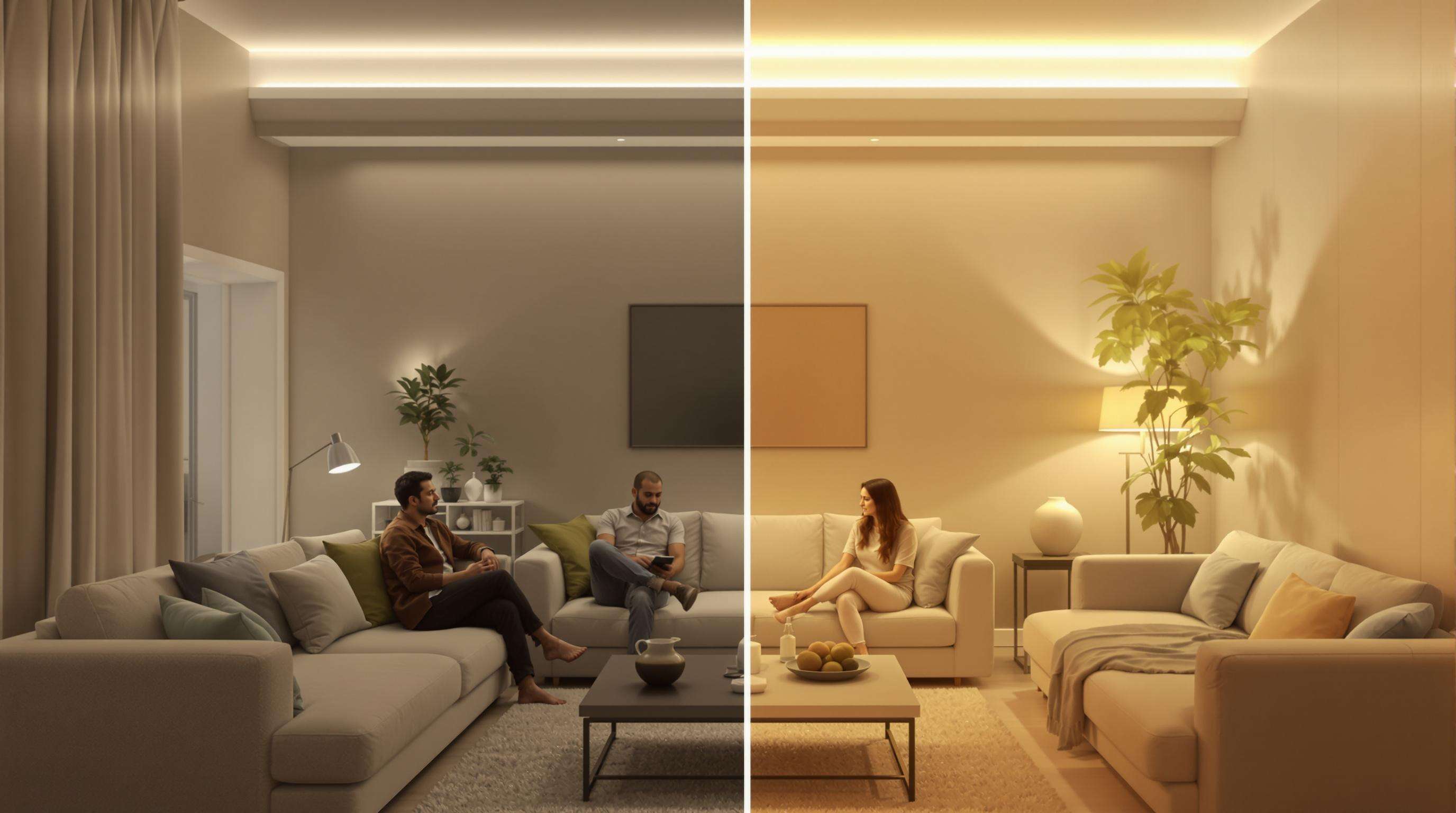

The company operates a well-equipped production facility supported by a skilled team of engineers, quality control specialists, and experienced technicians. By integrating advanced LED technology with strict quality management processes, Hangzhou Velvet Light ensures consistent product performance and compliance with international standards.
Driven by innovation and sustainability, the company continues to invest in research and development, offering smart and energy-saving lighting solutions to global customers. Hangzhou Velvet Light Co., Ltd. is committed to delivering reliable products and building long-term partnerships worldwide.
A deep breakdown of the raw physical parameters and structural capabilities of modern commercial downlights, panels, and magnetic track systems.
| Lighting Category | Core Optical Engine | CRI Range (Ra) | Efficiency Limit | Thermal Dissipation Material | Standard Certifications |
|---|---|---|---|---|---|
| LED Panel Lights | Edge-Lit / Back-Lit PMMA Guide | Ra > 80 / Ra > 90 | 120 - 140 lm/W | 6063-T5 Aluminum Frame | CE, RoHS, DLC, UL |
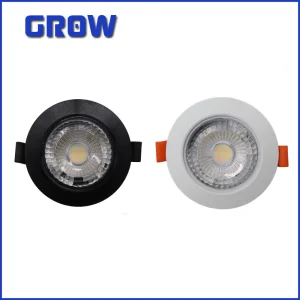
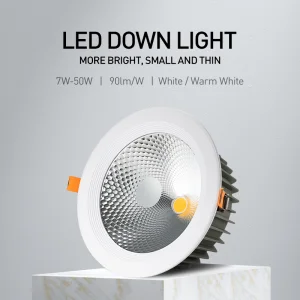
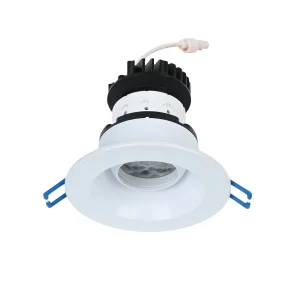
| COB Downlights | Chip-On-Board Reflective Optics | Ra > 92 / Ra > 95 | 100 - 115 lm/W | Cold Forged / Die-Cast Alum. | CE, TUV, SAA |
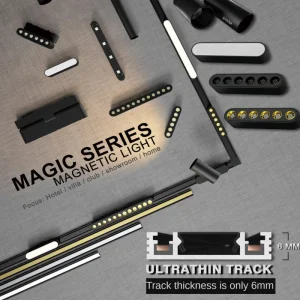
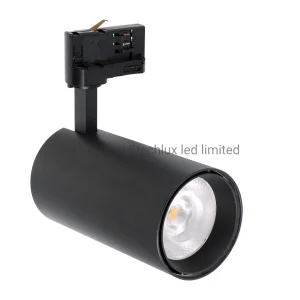
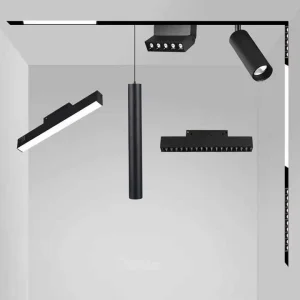
| Magnetic Track Lights | DC48V SMD / COB Modules | Ra > 90 | 90 - 110 lm/W | Extruded Aluminum Profiles | CE, RoHS |
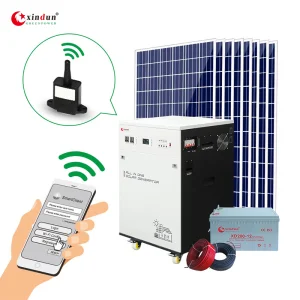
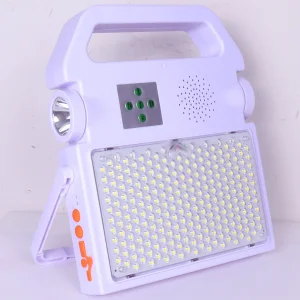
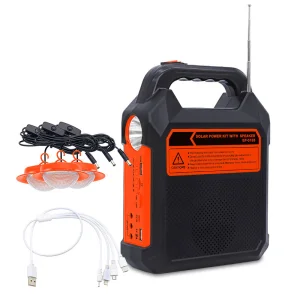
| Off-Grid Solar Kits | High Lumen Efficient SMD LED | Ra > 70 / Ra > 80 | Up to 150 lm/W | Impact-resistant Polycarbonate | UN38.3, MSDS, FCC |
How Chinese factories comply with local mandates across major international markets, guaranteeing import success and seamless implementation.
Commercial products for the US and Canadian markets must undergo UL or ETL listing for safety validation, alongside DLC (DesignLights Consortium) certification for utility rebates. High power factor (>0.90) and low Total Harmonic Distortion (THD < 20%) are mandatory design criteria in our drive designs.
Under the updated ErP (Energy-Related Products) directive and CE requirements, LED products must meet new energy labeling scales. We ensure compliance via Flicker-Free driver technology (PstLM < 1.0, SVM < 0.4) and sustainable, modular recycling-ready frames.
For regions like Australia and Japan, adherence to SAA, C-Tick, and PSE is critical. Dynamic testing in external CNAS accredited laboratories ensures that electromagnetics (EMC) do not disrupt localized industrial systems or hospital operations.
Different layouts call for bespoke lumen levels, color indexes, and optical distributions.
Focuses on glare control and human circadian cycles. By employing low UGR panels (UGR < 19) combined with 3-CCT tuneable technologies, we mitigate worker fatigue and improve spatial focus. Back-lit options ensure long-term yellowing resistance.
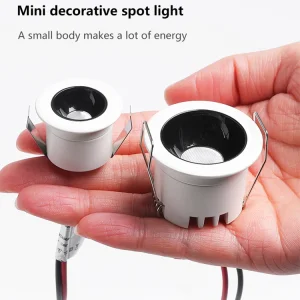
Requires high color rendering indexes (CRI Ra > 90, R9 > 50) to project authentic colors of merchandise or structural details. Adjustable COB spotlights with variable beam angles (15° to 60°) allow retail operators to alter displays seamlessly.
Demands robust environmental ingress protection (IP54 to IP65). From wet-rated downlights to dust-tight parking structures, our structural seals use premium anti-aging silicone gaskets and polycarbonate housings to prevent premature dust/moisture fail points.
The roadmap for professional LED products focuses on two key trends: intelligent network integration and high-efficiency phosphor compositions. Traditional standard-voltage luminaires are transitionally replaced by digital low-voltage systems. Through IoT chip integration directly on drivers (using Zigbee, Matter, or DALI-2 protocols), future setups will dynamically interact with building management software (BMS) to optimize occupancy zones and solar-harvesting profiles.
Additionally, optical design is shifting toward micro-lens arrays (MLA) which offer superior beam definition and zero light spill, ensuring light is directed precisely where needed. For industrial off-grid projects, the scaling efficiency of portable solar power storage batteries guarantees high lumen outputs even during long emergencies, driving sustainable energy access worldwide.
Essential insights compiled by our technical department to assist procurement managers in optimizing import timelines and validation parameters.
To ensure zero noticeable chromatic shift, we bind LED chips inside a 3-step MacAdam Ellipse (SDCM < 3). Regular testing on our automated spectrometer systems verifies that different production lots conform to the exact coordinates on the CIE color chart.
Drivers represent the primary failure vector in LED luminaires. All drivers undergo a rigorous 4-hour burn-in process at elevated ambient temperatures, high/low voltage surge testing, and electrical stress testing to assure complete system reliability.
Yes, our Hangzhou facility houses a dedicated prototyping department. Using specialized PMMA injection molds and ray-tracing simulation software, we can engineer custom distribution patterns to match specific ceiling heights and lux distribution charts.
We utilize high-thermal-conductivity metal-core PCBs (MCPCB) coupled with aviation-grade 6063 aluminum heat sinks. This design keeps the junction temperature of the LED chips well below 85°C, ensuring slow degradation and long service life.
High-performance spotlight modules, panel variants, magnetic track rails, and emergency clean-energy systems for modern commercial operations.
 Velvet Light