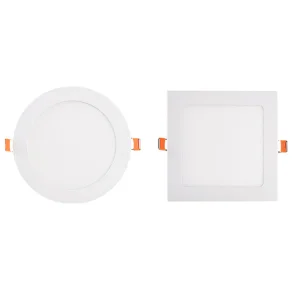
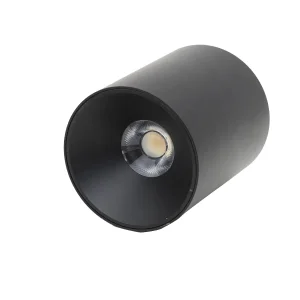
In modern engineering applications, Low Bay lighting systems act as critical infrastructure for spaces with mounting heights under 20 feet (6 meters). Unlike high bay fixtures designed for intense beam convergence, low bay lights must deliver wide, highly uniform distributions without causing disabling glare. As global energy grids strain and sustainability targets tighten, commercial procurement and industrial retrofitting rely on selecting a trusted partner that understands both the physics of solid-state illumination and the logistics of global sourcing.
Hangzhou Velvet Light Co., Ltd. is a professional manufacturer dedicated to providing energy-efficient LED lighting solutions, specializing in panel lighting, indoor lighting systems, and parking garage lighting applications. Based in Hangzhou, a leading hub for innovation and manufacturing in China, the company benefits from advanced supply chain resources and strong technical expertise. Since its establishment, Velvet Light has focused on developing high-performance LED products that combine energy efficiency, durability, and modern design.
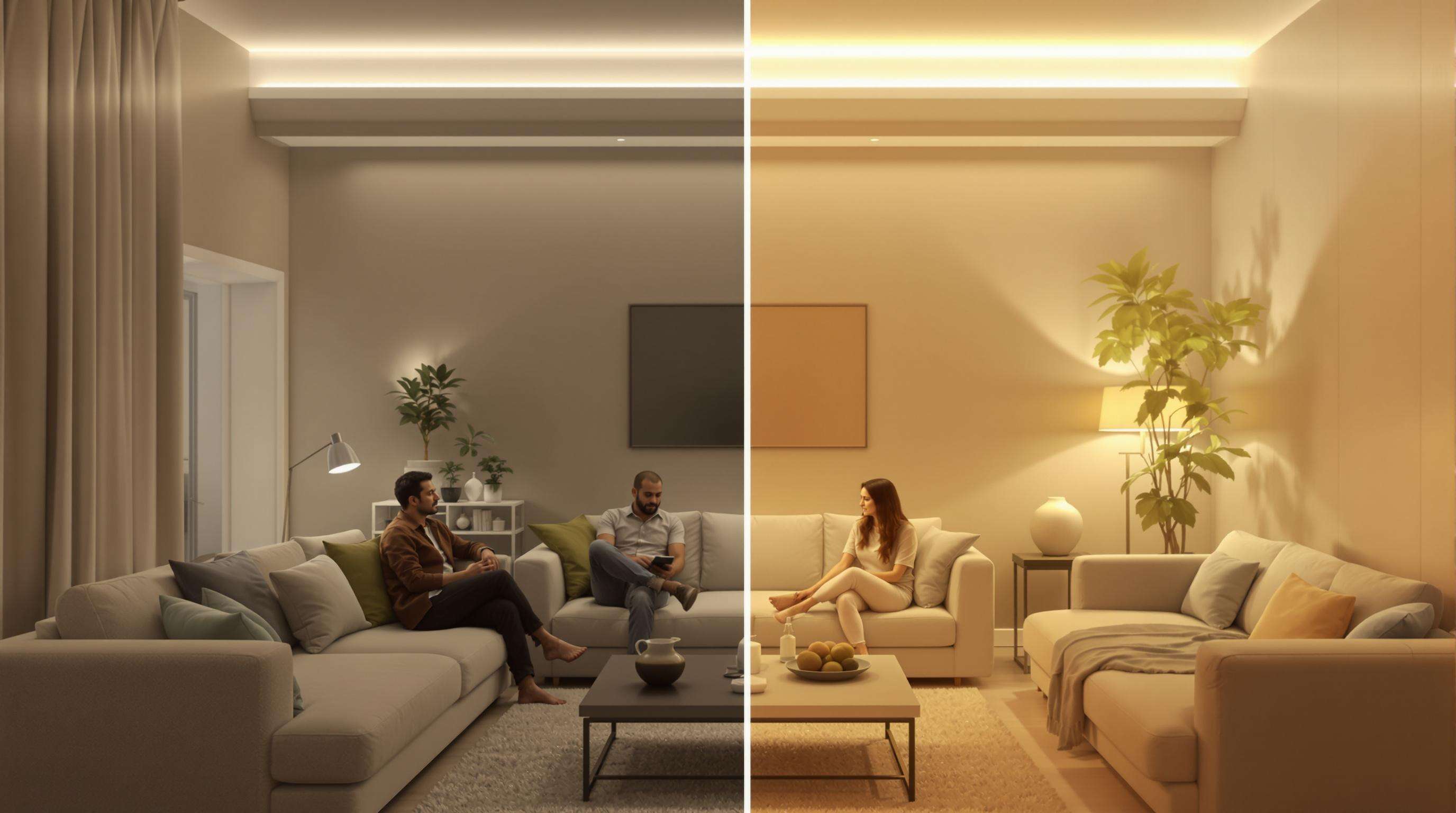
Whether designing a multi-tier parking structure, an educational facility, a medical clinic, or a precision electronics assembly floor, low bay luminaires dictate the baseline efficiency of daily operations. Achieving the correct balance of horizontal and vertical illuminance requires high-quality LED drivers, precision light guide plates, and robust thermal engineering to prevent junction temperature decay.
Different commercial and light-industrial environments present unique architectural and environmental conditions. Translating raw lumen outputs into site-specific success is essential for energy conservation and human comfort.
Parking garages feature low ceiling heights, continuous 24/7 runtimes, and high humidity. Fixtures require IP65 rating and IK10 impact protection. Integrating motion sensors and daylight harvesting prevents energy waste during low-occupancy hours.
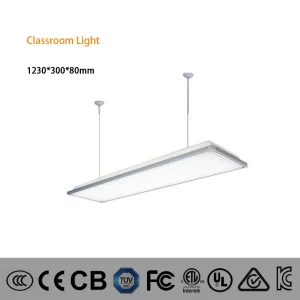
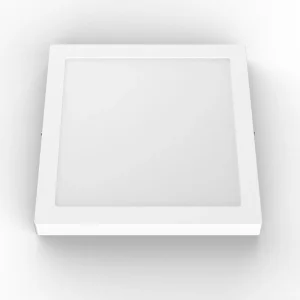
Classrooms and workspaces rely on low Unified Glare Rating (UGR < 19) panel lights. High flicker-free indexes reduce eye strain and support concentration, transforming standard commercial layouts into supportive environments.
Controlled environments require dust-tight, flush-mounted fixtures. Smooth frame finishes prevent particle accumulation, while cleanroom-certified LED panels sustain strict air-purity standards.
The evolution of LED low bay fixtures revolves around mechanical, optical, and driver-level advancements designed to lower overall Cost of Ownership.
Our product engineering team follows a systematic roadmap to address upcoming industry trends:
| Engineering Axis | Current Standards | Next-Gen Horizon |
|---|---|---|
| System Efficacy | 110 - 130 Lm/W | 150 - 170 Lm/W (High-density SMD) |
| Optics Engineering | Edge-Lit Light Guide Plates (LGP) | Micro-Prismatic Glare Suppression (UGR < 16) |
| Driver Topology | 0-10V Dimmable (PF > 0.95) | DALI-2 / Zhaga Book 18 Smart Controllers |
| Materials & Rigidity | Extruded Aluminum AL6063 | Thermally Conductive Carbon Composites |
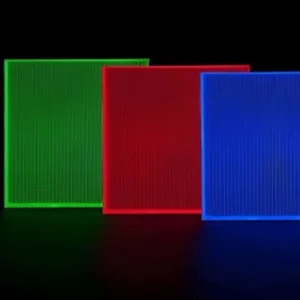
Light Guide Plates (LGP): Incorporating laser-dotting acrylic technologies ensures even light dispersion across the entire surface of the panel, avoiding hot spots and glare.
Thermal Management: Aluminum backing heat-sinks lower diode junction temperature (Tj), keeping operation within safe margins to maintain lumen output over a L80B10 rated lifespan exceeding 50,000 hours.
The efficiency and speed of LED procurement rely heavily on raw material access, integrated manufacturing steps, and strict quality control. Based in Hangzhou, Hangzhou Velvet Light Co., Ltd. operates at the center of this industrial cluster.

Our production setup integrates several key processes to ensure consistent quality and lead times:
From aluminum casing extrusion and laser-engraving light guide plates to automated surface mount technology (SMT) for PCB assembly, our facilities reduce reliance on third parties to speed up delivery.
We quickly adapt to requests for custom shapes, sizes, lumens, or color rendering indexes (CRI), turning around optical drawings and physical samples in short timelines to support your project schedules.
Every batch of products undergoes testing for high-voltage isolation, harmonic distortion, thermal cycling, and integrating sphere color measurement to match global engineering standards.
Industrial and commercial projects require components that carry verified compliance documents. We support project designers, importers, and contractors by adhering to global product standards.
We offer solutions designed to comply with UL, ETL, and DLC requirements, ensuring access to municipal utility rebates and helping installations pass inspection requirements.
Our product ranges carry CE, GS, RoHS, and ERP 2.0 declarations of conformity, demonstrating safe operation, low harmonics, and components free of restricted hazardous substances.
Located near major international shipping hubs like Ningbo and Shanghai, we handle bulk pallet container sea freight and express air transport, offering flexible custom labeling options.
Common questions from project designers and procurement managers regarding low bay lighting specifications.
The distinction lies in the mounting height and beam angle design. Low bay lights are designed for ceilings under 20 feet (6 meters) and feature wide-angle optical lenses (often 120° or wider) to distribute light evenly across low-clearance areas. High bay lights are designed for mounting heights of 20 to 45 feet, using narrower optics (30° to 90°) to project light down to the floor.
Achieving a Unified Glare Rating (UGR) below 19 involves micro-prismatic optics, diffused covers, and back-lit structures that avoid harsh light contrast. By spreading the light evenly across the panel surface and controlling high-angle intensity, visual glare is reduced to help lower eye strain in workspaces and classrooms.
Flicker, even when invisible to the human eye, can lead to fatigue, eye strain, and headaches during long work hours. High-quality LED drivers utilize double-stage filtering circuits to output stable DC current, reducing ripple and keeping the flicker index low for educational, clinical, and office spaces.
Certifications ensure safe operation and performance: North American markets rely on UL or ETL listing for safety, plus DLC qualification for energy efficiency. European markets require CE, GS, and RoHS, along with compliance with the latest ERP 2.0 directive for ecodesign requirements.
 Velvet Light