Specifically engineered for compliance with Australian architectural and electrical safety standards, ready for government fit-outs and commercial refurbishments.
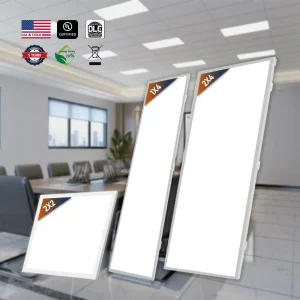
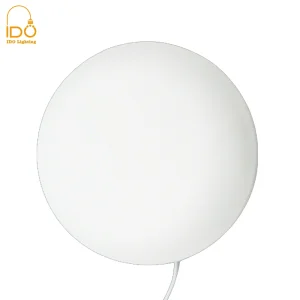
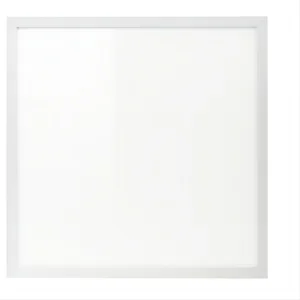
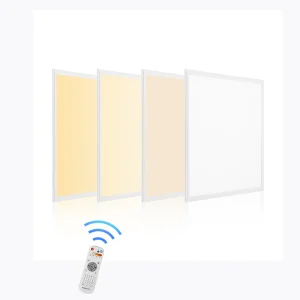
As Australia’s administrative heartbeat, the Australian Capital Territory (ACT) has positioned itself at the global vanguard of environmental policy. With the legislated commitment to achieve net-zero greenhouse gas emissions by 2045, the retrofitting and construction of commercial buildings within Canberra—specifically across Civic, Barton, and the parliamentary triangle—face some of the most rigorous energy efficiency benchmarks in the world.
Lighting alone accounts for up to 18% to 22% of electrical energy utilization in typical Canberra office complexes. Consequently, modern asset managers and commercial real estate planners are transitioning rapidly from legacy lighting systems to solid-state technology. However, standard LED panels no longer suffice. Achieving compliance with the National Construction Code (NCC) 2022 Section J6 requires exceptional luminous efficacy (measured in lumens per Watt) coupled with precise glare management.
This regulatory landscape has driven a significant industry shift from side-lit (edge-lit) LED panel designs to advanced backlit LED panels. By positioning the LED chips arrayed directly behind the diffuser rather than at the perimeter, backlit panels eliminate the light guide plate (LGP), which is historically prone to heat degradation and yellowing. For the Canberra market, this translates to predictable, long-term performance that aligns with 30-year infrastructure cycles and supports the stringent targets of the NABERS Energy and Green Star rating schemes.
Hangzhou Velvet Light manufacturing facility: automated SMT assembly lines for precision optic placement.
The global lighting industry has reached a crucial inflection point. Historically, commercial developers favored edge-lit LED panels due to their thin profile (frequently sub-10mm). However, edge-lit systems rely heavily on a Polymethyl Methacrylate (PMMA) or Polystyrene (PS) light guide plate to refract light downward. Over time, the localized heat from edge-mounted SMT arrays causes physical and chemical breakdown of the optical medium, leading to the well-documented "yellowing effect" and a drop of up to 40% in visual output.
Conversely, modern factory designs focus on backlit technology. By placing optical lenses over a matrix of LEDs distributed across the rear backplate, light is thrown directly through the diffuser sheet. This path of light removes the dependence on an LGP, significantly reducing the bill of materials while improving thermal management. The heat is dissipated over the entire surface area of the aluminum back cover, dropping junction temperatures and prolonging the life of both the chip and driver.
Consequently, global procurement offices are restructuring specifications. Supply lines originating from high-tech hubs like Hangzhou, China, are exporting large shipments of backlit configurations to Oceania, North America, and Europe. This shift has optimized shipping volumes, reduced field failures, and lowered maintenance costs.
Selecting a backlit panel for a commercial building in Canberra requires an understanding of several technical factors. High-efficiency optics, thermal dissipation characteristics, and driver reliability determine the long-term cost of ownership.
| Performance Dimension | Edge-Lit LED Panels (Traditional) | Backlit LED Panels (Modern Engineered) | Canberra Commercial Benefit |
|---|---|---|---|
| Optical Path Efficacy | 100 - 115 Lm/W (absorption losses in LGP) | 130 - 145 Lm/W (direct downward throw) | Lowers power density, easing compliance with NCC Section J6. |
| Thermal Distribution | Concentrated at edge frames (higher junction heat) | Distributed across full backplate surface | Reduces driver failure rate and extends lumen maintenance. |
| Yellowing Index (YI) | High risk; worsens with lower-cost PS plates | Zero risk (completely eliminates LGP) | Retains white color rendering for over 10 years. |
| Unified Glare Rating (UGR) | Typically UGR > 22 (difficult to control) | UGR < 19 / < 17 options with prismatic micro-optics | Improves occupant comfort in offices, classrooms, and labs. |
The driver is the core of any LED system. For Canberra office environments, a driver must offer more than just power conversion. Compatibility with smart building protocols like DALI-2 (Digital Addressable Lighting Interface) and 0-10V dimming is crucial. DALI-2 allows for precise control of individual panels, enabling daylight harvesting, occupancy sensing, and custom scheduling.
Additionally, the system must limit ripple current to ensure flicker-free operation (flicker index below 0.02). High-frequency flicker, though often invisible to the naked eye, can cause fatigue, headaches, and eye strain in quiet, screen-intensive workplaces.
Hangzhou Velvet Light Co., Ltd. is a professional manufacturer dedicated to providing energy-efficient LED lighting solutions, specializing in panel lighting, indoor lighting systems, and parking garage lighting applications. Based in Hangzhou, a leading hub for innovation and manufacturing in China, the company benefits from advanced supply chain resources and strong technical expertise.
Since its establishment, Velvet Light has focused on developing high-performance LED products that combine energy efficiency, durability, and modern design. Its product portfolio includes LED panel lights for offices and commercial spaces, indoor lighting solutions for residential and retail environments, and robust parking garage and canopy lighting systems designed for safety and long-term operation.
The company operates a well-equipped production facility supported by a skilled team of engineers, quality control specialists, and experienced technicians. By integrating advanced LED technology with strict quality management processes, Hangzhou Velvet Light ensures consistent product performance and compliance with international standards.
Driven by innovation and sustainability, the company continues to invest in research and development, offering smart and energy-saving lighting solutions to global customers. Hangzhou Velvet Light Co., Ltd. is committed to delivering reliable products and building long-term partnerships worldwide.

Hangzhou Velvet Light facility: photometer testing and color rendering quality control systems.
Canberra's layout and architecture present distinct challenges and opportunities for commercial lighting design. Choosing the right backlit panel configuration depends on the specific requirements of the application:
Designed for high-density office zones in Civic and Parkes. Standardized 60x60 and 30x120 panels feature UGR<19 diffusers to help reduce employee fatigue, supporting long-term productivity and meeting government sustainability goals.
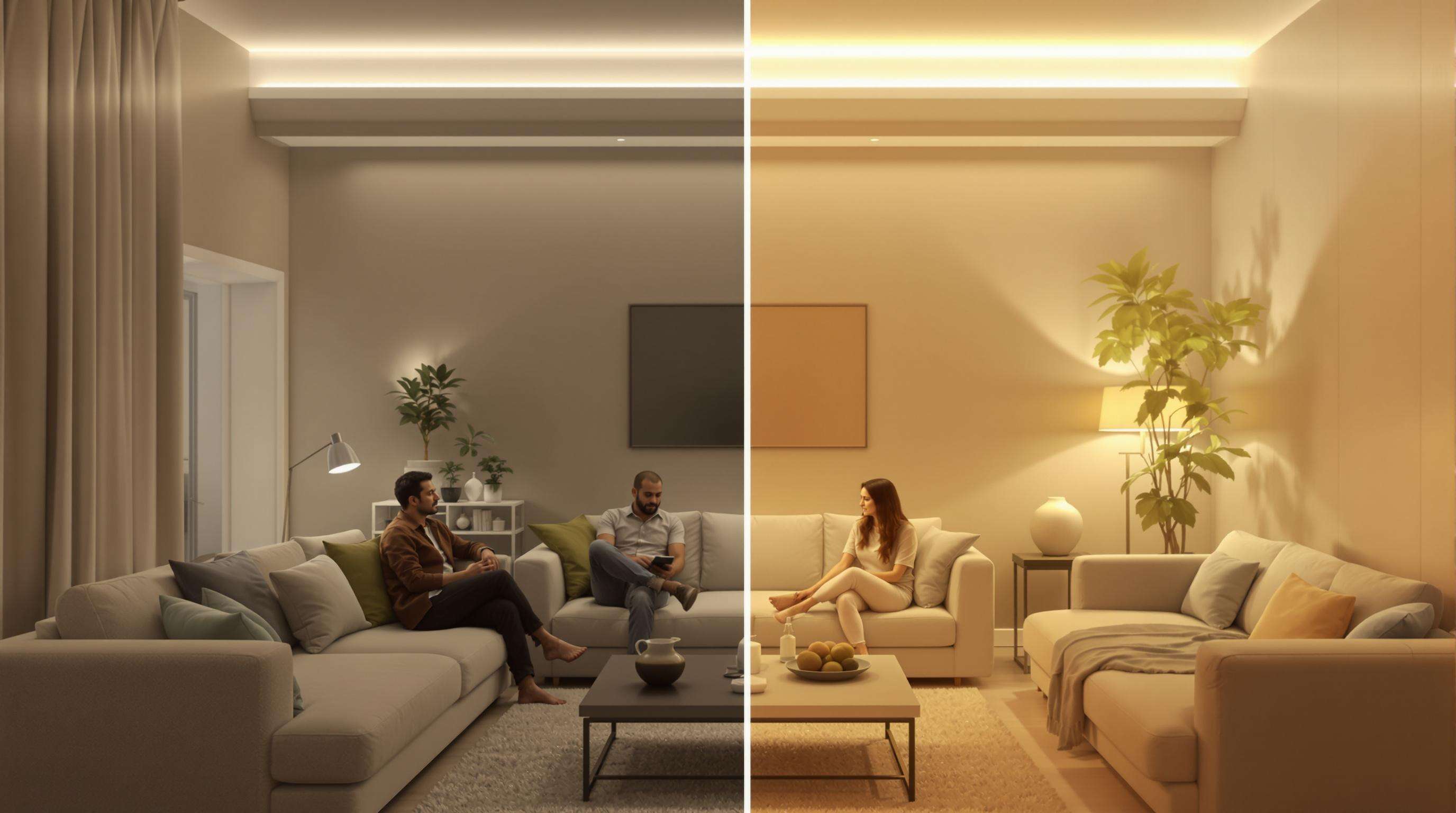
For lecture halls and study areas at ANU and UC, 3CCT tunable panel lights allow teachers to adjust color temperatures—using cooler white light for focus during exams, and warmer light for cooperative tasks.
Clinical environments like Canberra Hospital demand high color rendering index (CRI > 90) values. Our backlit panels provide clean, consistent illumination, while sealed frames help prevent dust accumulation in sterile zones.
For retail shopping centers in Belconnen and Tuggeranong, multi-wattage selectable configurations allow site managers to easily adapt light levels to change displays, simplifying inventory management.
Our core product selection features reliable performance, compliance certifications, and flexible integration options for commercial electrical contractors in Canberra.

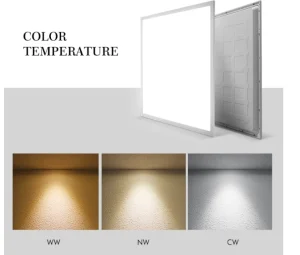
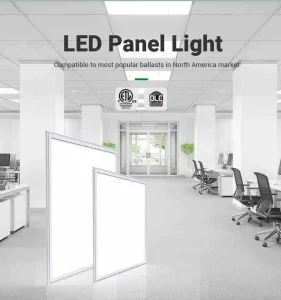
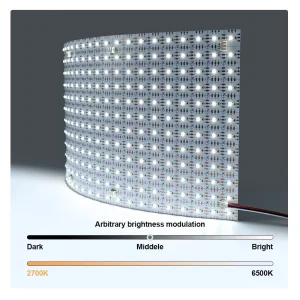
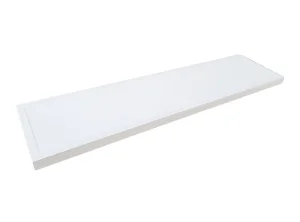
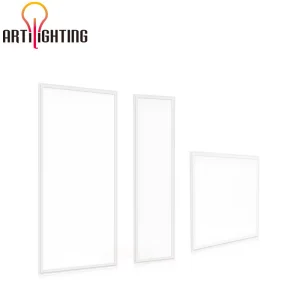
Certifications built for institutional, municipal, and commercial compliance requirements in the Australian Capital Territory.

Find answers to technical and regulatory questions about procuring and deploying backlit LED panels in public and private commercial properties within the Australian Capital Territory.
Get in touch with our engineering team for customized photometry layouts (DIALux), architectural submittals, and factory-direct volume pricing.
 Velvet Light