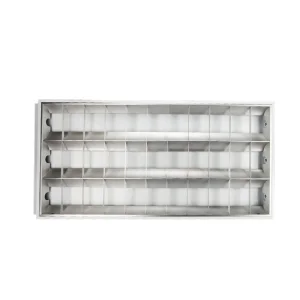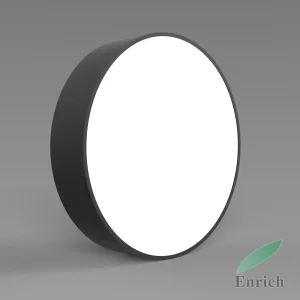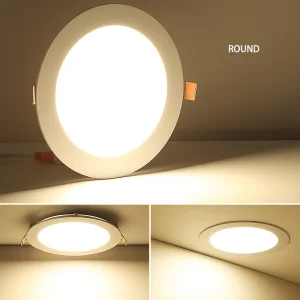
As building standards push for net-zero emissions and deep decarbonization, lighting systems have become a key focal point. Sourcing directly from certified facilities like Hangzhou Velvet Light Co., Ltd. enables project designers, electrical engineers, and global procurement officers to balance strict performance criteria with cost efficiency.
Hangzhou, located in Zhejiang Province, is a globally recognized hub for high-tech innovation, digital economy infrastructure, and advanced manufacturing. By locating operations within this logistics and technology cluster, Velvet Light integrates reliable electronic engineering, advanced optical research, and highly responsive supply chain networks.
China’s leadership in the solid-state lighting sector is built on an expansive industrial ecosystem. This network allows for rapid product iteration, thorough quality control, and scalable production capacities. Sourcing custom LED solutions from China provides key advantages for large-scale projects:
From chip encapsulation and surface mount technology (SMT) to aluminum extrusion and diffusers, the entire supply chain operates closely together to reduce production lead times.
Hangzhou manufacturers draw from a strong local talent pool of engineers specializing in power electronics, thermal dynamics, and optical design, ensuring compliance with global certifications.
Certified testing facilities perform systematic checks, including high-temperature aging, thermal shock testing, photometrical profiling, and surge immunity evaluation.
Hangzhou Velvet Light Co., Ltd. is a professional manufacturer dedicated to providing energy-efficient LED lighting solutions, specializing in panel lighting, indoor lighting systems, and parking garage lighting applications. Based in Hangzhou, a leading hub for innovation and manufacturing in China, the company benefits from advanced supply chain resources and strong technical expertise.
Since its establishment, Velvet Light has focused on developing high-performance LED products that combine energy efficiency, durability, and modern design. Its product portfolio includes LED panel lights for offices and commercial spaces, indoor lighting solutions for residential and retail environments, and robust parking garage and canopy lighting systems designed for safety and long-term operation.

The company operates a well-equipped production facility supported by a skilled team of engineers, quality control specialists, and experienced technicians. By integrating advanced LED technology with strict quality management processes, Hangzhou Velvet Light ensures consistent product performance and compliance with international standards.
Driven by innovation and sustainability, the company continues to invest in research and development, offering smart and energy-saving lighting solutions to global customers. Hangzhou Velvet Light Co., Ltd. is committed to delivering reliable products and building long-term partnerships worldwide.
Selecting commercial or industrial lighting requires evaluating performance metrics to ensure safety, efficiency, and compliance. Key parameters to analyze during the engineering phase include:
Standard architectural projects typically require Ra > 80. For clinical environments, galleries, or high-end retail, specifying Ra > 90 and R9 > 50 (red spectrum rendering) is crucial to avoid color distortion.
For office spaces, schools, and hospitals, a UGR < 19 is recommended. This is achieved by combining structural micro-prismatic diffusers (MPDs), anti-glare louvers, and edge-lit LED panels.
Higher efficacy (up to 150 lm/W) requires efficient heat dissipation. Thermally conductive aluminum PCBs, thick heat sinks, and quality thermal pastes prevent junction temperatures from rising, protecting the LED chips from premature decay.
Color consistency across multiple fixtures is critical. Specifying a 3-step MacAdam Ellipse (3 SDCM) ensures color uniformity, preventing visible chromatic deviation across installations.
The driver is essential to system longevity. High-performance drivers offer a Power Factor (PF) > 0.95, Total Harmonic Distortion (THD) < 10%, and built-in surge protection (4kV to 10kV) to defend against electrical fluctuations.
IP ratings must match the environment: IP20 for dry offices, IP40 for standard indoor spaces, IP65/66 for dusty parking garages, and IP67/68 for outdoor architectural or industrial applications.
Customized solid-state lighting applications are designed to meet the distinct functional requirements of specific commercial and industrial spaces:
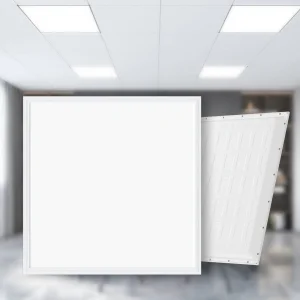
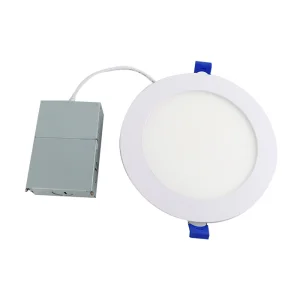
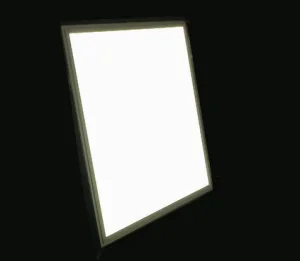
Modern workspaces require clean visual environments. Implementing recessed, dimmable LED panel lights with edge-lit technology ensures shadowless, glare-free workspace illumination. These panels integrate into ceiling grids to maintain clean architectural lines while supporting smart energy-saving dimming.
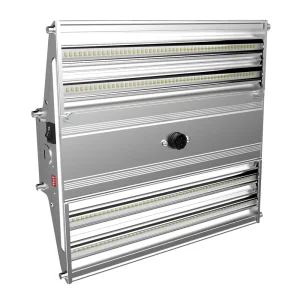
Humid, dust-prone, and continuously active parking garages need durable lighting solutions. Specialized linear high bays and canopy lights, configured with high IP ratings and impact-resistant housings, provide safe, steady illumination that lowers facility operating costs over time.
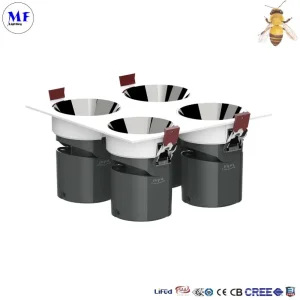
Retail and gallery spaces rely on visual presentation. High-CRI (Ra > 90) spotlights and downlights accurately bring out product colors, helping direct customer focus and enhance the shopping environment.
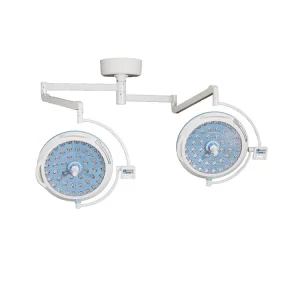
Hospitals and operating rooms require highly specialized illumination. Ceiling-mounted, shadowless surgical lights provide bright, clear visibility with precise color balance, meeting rigorous medical safety and reliability standards.
Large facilities like indoor badminton courts and warehouses need high-ceiling lighting. High-output linear high bays offer stable light distribution without casting distracting shadows or producing glare, keeping high-ceiling environments safely illuminated.
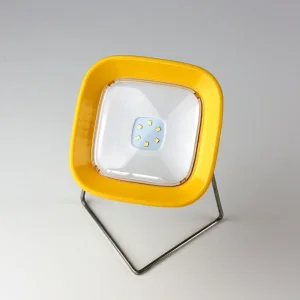
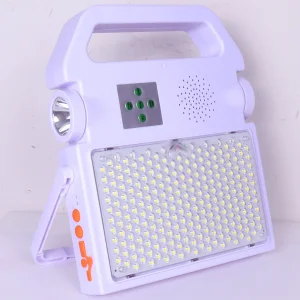
Remote project sites, emergency setups, and sustainable residential zones benefit from off-grid solar LED stations. Integrating solar panels, long-cycle life lithium batteries, and USB charging ports provides independent, reliable lighting for diverse remote needs.
The global LED sector is transitioning from standard general lighting to intelligent, human-centric, and highly integrated systems. Leading custom manufacturers are focusing on these developing trends:
 Velvet Light