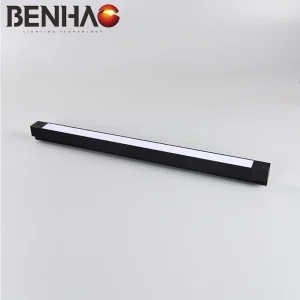
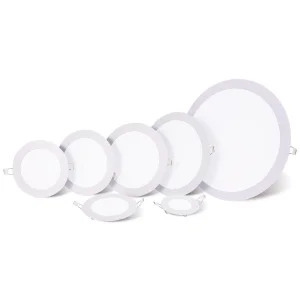
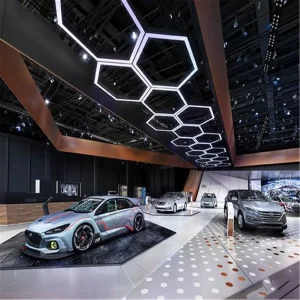
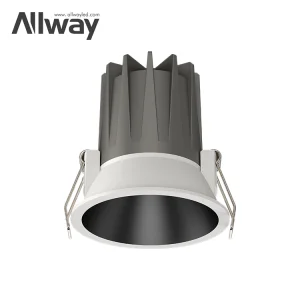
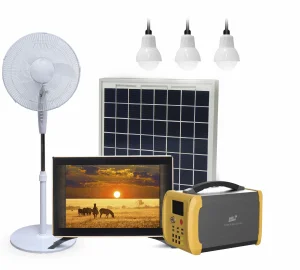
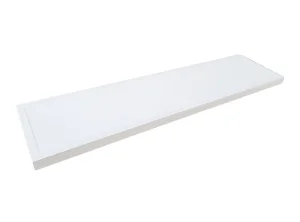
Explore our high-performance architectural linear, panel, and task lighting devices engineered for international project standards.
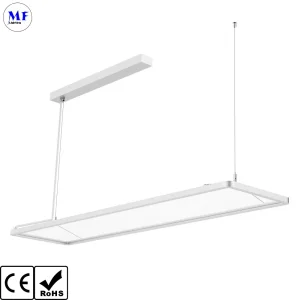
Hangzhou Velvet Light Co., Ltd. - Integrating advanced photonics design with industrial manufacturing excellence.
Hangzhou Velvet Light Co., Ltd. is a professional manufacturer dedicated to providing energy-efficient LED lighting solutions, specializing in panel lighting, indoor lighting systems, and parking garage lighting applications. Based in Hangzhou, a leading hub for innovation and manufacturing in China, the company benefits from advanced supply chain resources and strong technical expertise.
Since its establishment, Velvet Light has focused on developing high-performance LED products that combine energy efficiency, durability, and modern design. Our product portfolio includes LED panel lights for offices and commercial spaces, indoor lighting solutions for residential and retail environments, and robust parking garage and canopy lighting systems designed for safety and long-term operation.
The company operates a well-equipped production facility supported by a skilled team of engineers, quality control specialists, and experienced technicians. By integrating advanced LED technology with strict quality management processes, Hangzhou Velvet Light ensures consistent product performance and compliance with international standards.
Driven by innovation and sustainability, the company continues to invest in research and development, offering smart and energy-saving lighting solutions to global customers. Hangzhou Velvet Light Co., Ltd. is committed to delivering reliable products and building long-term partnerships worldwide.
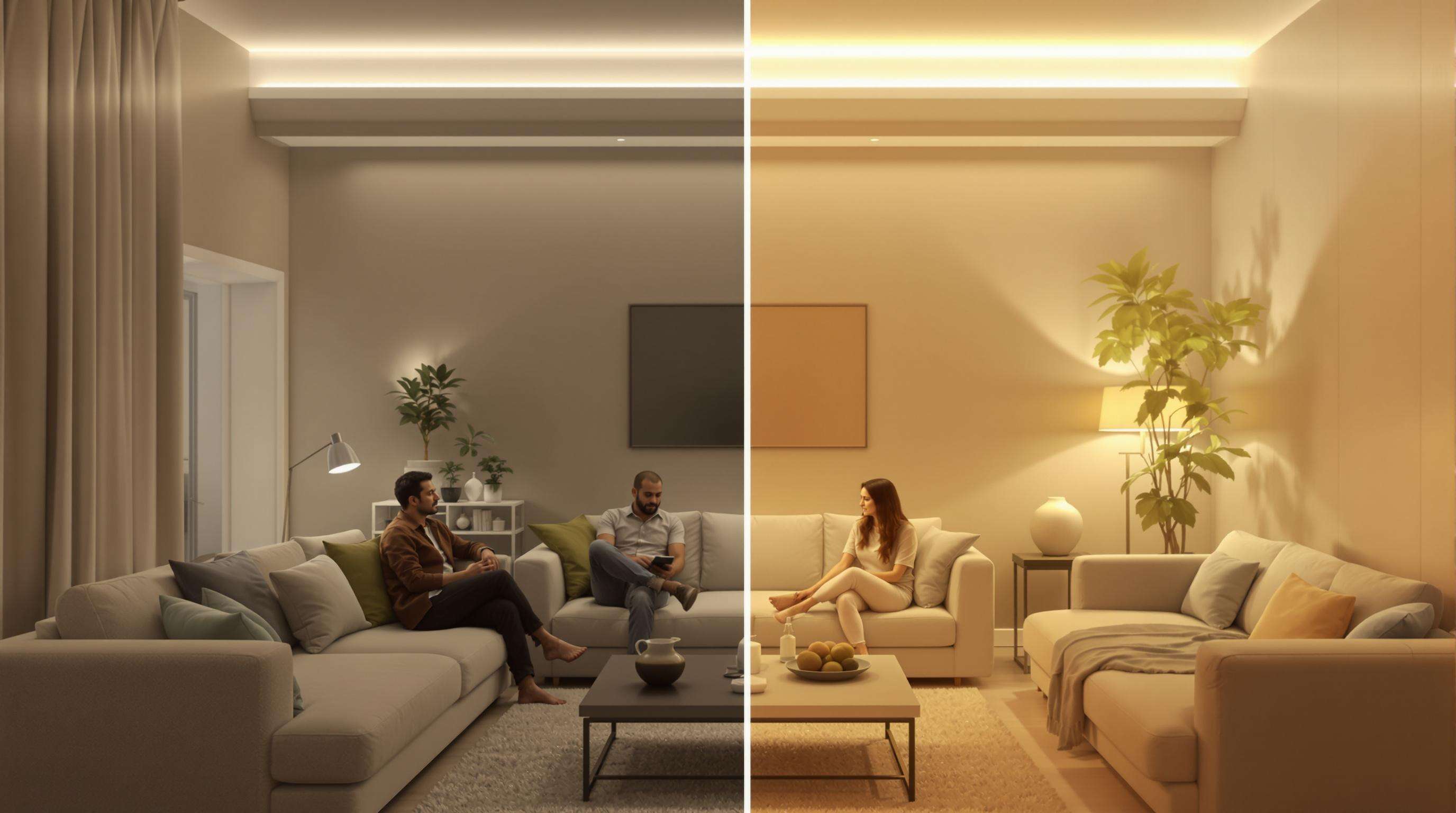

Velvet Light's production infrastructure relies on precision assembly and stringent verification gates. Every batch of light fixtures undergoes rigorous photometric testing, high-voltage resistance assessments, and thermal endurance evaluations. Our design methodology focuses on maximizing lumens-per-watt efficiency while keeping THD (Total Harmonic Distortion) low and ensuring high power factor (PF > 0.95).
Our collaborative OEM/ODM workflow enables architectural and engineering clients to adapt standard configurations to match specific spatial envelopes, spatial color criteria (CRI Ra > 90), and localized electrical safety regulations (CE, RoHS, TUV, and UL compatibility).
The transformation of illumination systems from simple utility fixtures to smart, adaptive building assets.
Commercial real estate operators face strict Net-Zero regulations. Advanced systems integrate smart drivers and high-efficiency chips, minimizing energy loads by up to 60% compared to legacy installations.
Standard static installations are shifting toward digital controls. Modulating intensity and color temperature via DALI-2, 0-10V, and Bluetooth mesh improves user experience and energy efficiency.
Modern spaces require fast adaptations. Track lighting configurations allow users to reposition, replace, or rotate fixtures without rewiring, supporting flexible layouts.
Key architectural standards and parameters driving next-generation system designs.
Systems with Dynamic CCT (2700K - 6500K) track natural daylight patterns to support circadian health. High-precision LED clusters mix warm and cool light while maintaining consistent luminous flux and color rendering quality.
High-end retail and gallery installations require high color fidelity. Modern fixtures achieve CRI Ra > 95, R9 > 80, and maintain low color deviation (SDCM ≤ 3) to ensure consistent, accurate colors across all modules.
Deep-recessed optics, secondary reflectors, and honeycomb louvers limit glare. Engineering for UGR < 19 helps design comfortable work and display spaces, reducing eye strain.
Low-voltage magnetic track systems (typically 24V or 48V DC) are becoming more common. These systems offer simple, tool-free installation and safe manual adjustments for flexible layouts.
Sourcing standards, compliance benchmarks, and documentation required by international buyers and project specifiers.
For international procurement managers, sourcing lighting fixtures goes beyond unit cost. Project-level risk mitigation requires strict adherence to international electrical, safety, and green building standards. When sourcing from China, professional buyers evaluate manufacturers using a comprehensive vendor matrix:
Suppliers must provide certified test reports from accredited laboratories (TUV, Intertek, SGS). Essential regional markings include:
Professional lighting layouts require high-quality design files. Manufacturers must provide standard IES (.ies) or LDT (.ldt) files captured in goniophotometer systems. This allows design engineers to calculate exact lux levels, distribution patterns, and glare ratings in DIALux or Relux software before procurement.
The lifespan of an LED system is heavily determined by its driver and thermal management. Global specifiers favor suppliers that use premium, recognizable components (such as Lifud, Tridonic, Osram, or Philips drivers) alongside high-efficiency LED chips (such as Cree, Citizen, Bridgelux, or Osram), ensuring stable long-term operation.
Leveraging vertical integration, automated assembly, and digital logistics to secure global lighting projects.
The competitiveness of Chinese LED manufacturers comes from advanced supply chain networks and automated manufacturing hubs. At Hangzhou Velvet Light, quality control and production efficiency are built directly into our workflow. The modern factory setup focuses on four core operational strengths:
Our manufacturing cluster consolidates key production stages: die-casting, CNC milling, powder coating, SMT assembly, and final testing. This localized integration helps control raw material costs and ensures stable production schedules.
Automated surface-mount lines place LED chips with high precision. Advanced solder paste inspection (SPI) and automated optical inspection (AOI) identify assembly issues early, maintaining high product consistency.
Every product undergoes a multi-stage testing process: high-pot tests, grounding checks, and a continuous burn-in period. Thermal imaging cameras monitor heat dissipation surfaces to verify the performance of the heat sinks before packaging.
Tailored lighting solutions engineered to optimize visual performance across commercial environments.
Modern retail spaces rely on precise contrast to highlight products. Adjustable spot track lights combined with high-CRI (Ra ≥ 90) chips help make colors stand out. Narrow beam angles focus light on display items, while soft ambient light keeps the overall space welcoming.
Preserving and displaying art requires specific, high-quality lighting. Gallery systems must minimize UV and IR emissions to protect delicate works. Using high-CRI LEDs with tight binning (MacAdam Ellipse ≤ 2) ensures consistent, natural colors across different pieces.
Office lighting focuses on comfort and productivity. Integrated systems combine linear pendant lights for direct task lighting with diffuse panel lights to soften shadows. Dimming controls and glare-reducing reflectors help prevent screen glare and eye fatigue.
Industrial settings require rugged, reliable fixtures. High-bay linear fixtures and wet-rated luminaires are designed to handle dust, moisture, and temperature shifts. High luminous efficacy (140-160 lm/W) helps lower energy costs in large spaces.
Answers to key engineering, integration, and procurement questions for international lighting buyers.
Our fixtures utilize cold-forged 6063-T5 aluminum alloys for high thermal conductivity. We design the housings with integrated heat sinks to channel thermal energy away from the LED junction. This maintains junction temperatures below 75°C (at 25°C ambient), keeping lumen depreciation low and supporting a rated lifespan of L80B10 at 50,000 hours.
2-wire systems offer a single circuit, where all fixtures dim or switch together. 3-wire tracks add an independent ground wire for safety. 4-wire (three-circuit) tracks include three separate live wires and a shared neutral, allowing users to control three different light groups on a single track. We support all three wiring configurations to match existing site electrical designs.
We use a strict single-binning policy for our LEDs. Our light sources are sorted within a 3-step MacAdam Ellipse (SDCM ≤ 3) tolerance. This guarantees that fixtures installed side-by-side display the exact same color temperature and color rendering, avoiding noticeable visual variations across wide commercial spaces.
Yes, our LED drivers can be configured to work with standard control systems. We offer DALI-2 interfaces for wired lighting control networks, as well as integrated Casambi, Zigbee, or Tuya Bluetooth mesh modules for wireless layouts. These allow for smooth dimming down to 0.1% and compatibility with automated building management systems.
Our engineering team uses 3D CAD modeling and thermal simulation tools to review custom requests. We can customize beam angles, CCT ranges, finish colors, and mounting hardware. We also build custom prototype fixtures for photometric and safety testing to ensure they meet project specifications before full-scale manufacturing.
Explore our specialized range of high-output exterior, backup solar, and medical lighting options.
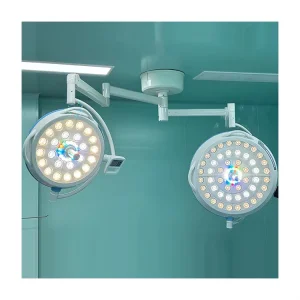
 Velvet Light